微信内可能无法直接打开本站。请点右上角 ··· → 在浏览器打开,或复制链接。
BAPE Splits the Toe on Its MANHUNT Moc With the Sashiko-Stitched "MANHUNT Tabi"
RSS 官方收录 · 可信分层展示
关键摘要
Name: A Bathing Ape MANHUNT TabiColorway: BlueSKU: TBCMSRP: ¥39,600 JPY (approx.…
- $250 USD)Release Date: September 4Where to Buy: BAPEBAPE is putting a …
- The result reworks a familiar streetwear base through the lens of Japa…
- The craft detailing is where the meeting of old and new plays out.
摘要引擎:抽取
正文提要
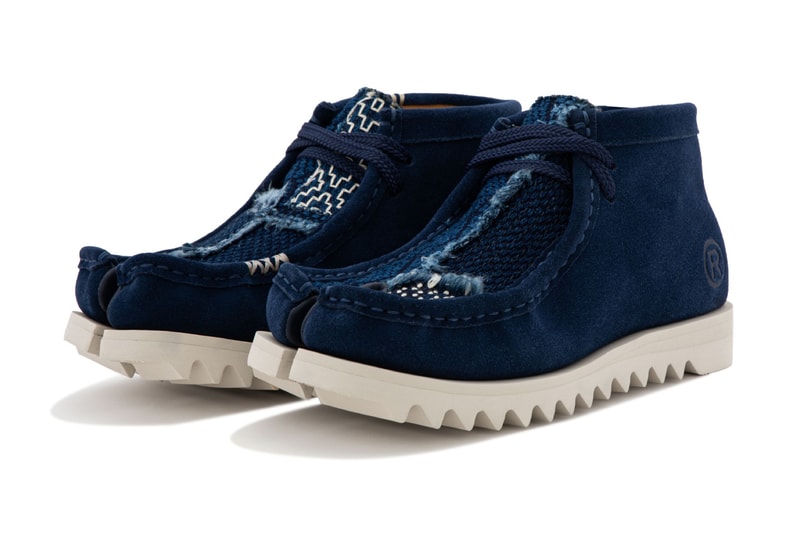
Name: A Bathing Ape MANHUNT Tabi
Colorway: Blue
SKU: TBC
MSRP: ¥39,600 JPY (approx. $250 USD)
Release Date: September 4
Where to Buy: BAPE
BAPE is putting a traditional spin on one of its sneaker mainstays with the MANHUNT Tabi, a new shoe that reshapes the label's MANHUNT silhouette around the split-toe form of Japanese tabi socks. The result reworks a familiar streetwear base through the lens of Japanese dress, landing somewhere between a heritage object and a modern sneaker.
The craft detailing is where the meeting of old and new plays out. Rather than a printed graphic, the upper leans on sashiko, the centuries-old Japanese stitching technique, layering delicate needlework and patchwork across the shoe as a nod to the texture and handwork of the artisans behind it. An indigo-based color scheme reinforces the reference, tying the design to a palette long associated with traditional Japanese textiles while keeping the overall look restrained.
That heritage framing is balanced against BAPE's own footwear engineering. The tabi is built on a lightweight MANHUNT outsole and finished with a wide Vibram sole unit, the specialist rubber the source positions for durability and grip in daily use. The pairing lets the shoe carry its traditional cues without giving up the comfort and wearability expected of a contemporary sneaker, which is the tension the brand frames as the whole point: tradition and innovation meeting in a single silhouette.
The MANHUNT Tabi arrives in a single blue colorway, keeping the focus on the stitching and the split-toe construction rather than splitting the concept across multiple finishes. It reads as a fairly pointed entry in the long lineage of Japanese labels reinterpreting the tabi, filtered here through BAPE's specific streetwear vocabulary.