The tech industry faces unprecedented challenges as the continued disruption from AI-driven shortages has driven pricing to record highs and supplies to record lows.
However, even amidst the damage we've seen in the PC market, the industry is still moving forward, giving us plenty of new devices over the last year that continue to push the bar higher.
The continued industry advancements give us several new picks for our annual Tom's Hardware Innovation Awards: a set of products that set or expand the standard for others. This year's list includes devices ranging from CPUs from Intel and AMD to motherboards with support for a new type of memory to the newest line of budget laptops from Apple, among many others. Given the state of the industry and stagnation in a few key areas, we also have a few dishonorable mentions as well.
CPU: Intel Core Ultra 5 250K Plus
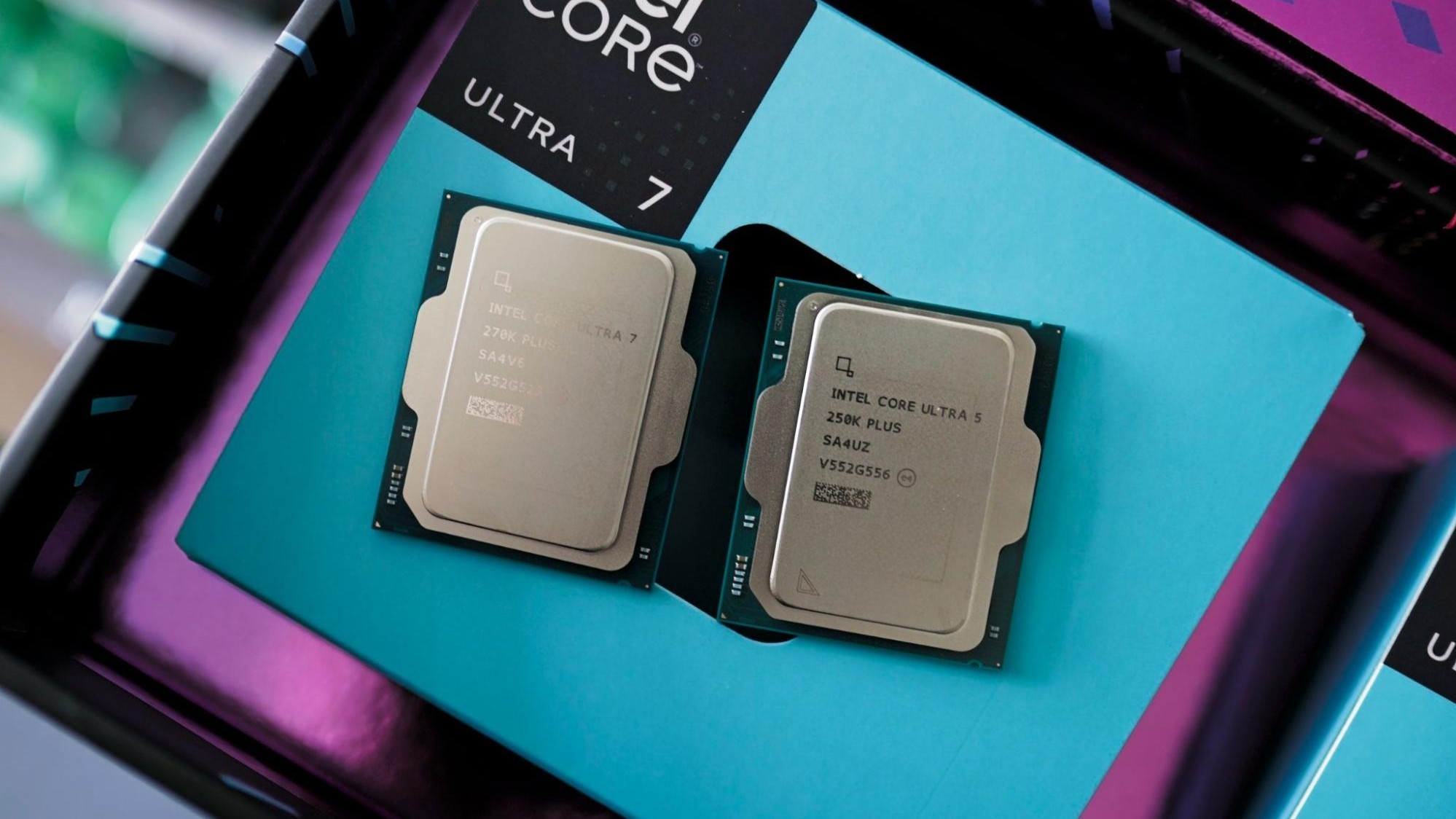

Both of Intel’s Arrow Lake Refresh CPUs are excellent, but the 20-core Core Ultra 5 250K Plus hits a special sweet spot for value. At $220, or as little as $155 on sale, it delivers solid midrange gaming performance while competing with chips that are a tier up in pricing and branding in applications. Against the backdrop of re-releases like the Ryzen 7 5800X3D, it’s hard to choose anything other than Arrow Lake Refresh when we think about CPU innovation over the past 12 months.
The Core Ultra 5 250K Plus taking center stage comes down to how much horsepower you’re getting for around $200. There’s nothing else close. It matches that Core i5-14600K in multithreaded performance, but that CPU is $260 right now. In AMD’s camp, the closest CPU is the $185 Ryzen 5 9600X. The Core Ultra 5 250K Plus is 5.6% faster than that chip in single-threaded performance and 70% faster in multithreaded performance based on our testing.
The weak link with Arrow Lake has always been gaming, and the Core Ultra 5 250K Plus carries some of those issues forward. However, it benefits from Intel’s iBOT feature in select titles, as well as a 900 MHz die-to-die frequency boost that broadly benefits games. Gen-on-gen, the 250K Plus is in lockstep with the Core i5-14600K, and it matches the Ryzen 5 9600X. However, for pure gaming rigs, the Ryzen 5 7600X3D is around the same price and 10% faster (though much slower in other applications).
Read More: Intel Core Ultra 5 250K Plus review
HEDT: AMD Ryzen 9 9950X3D2
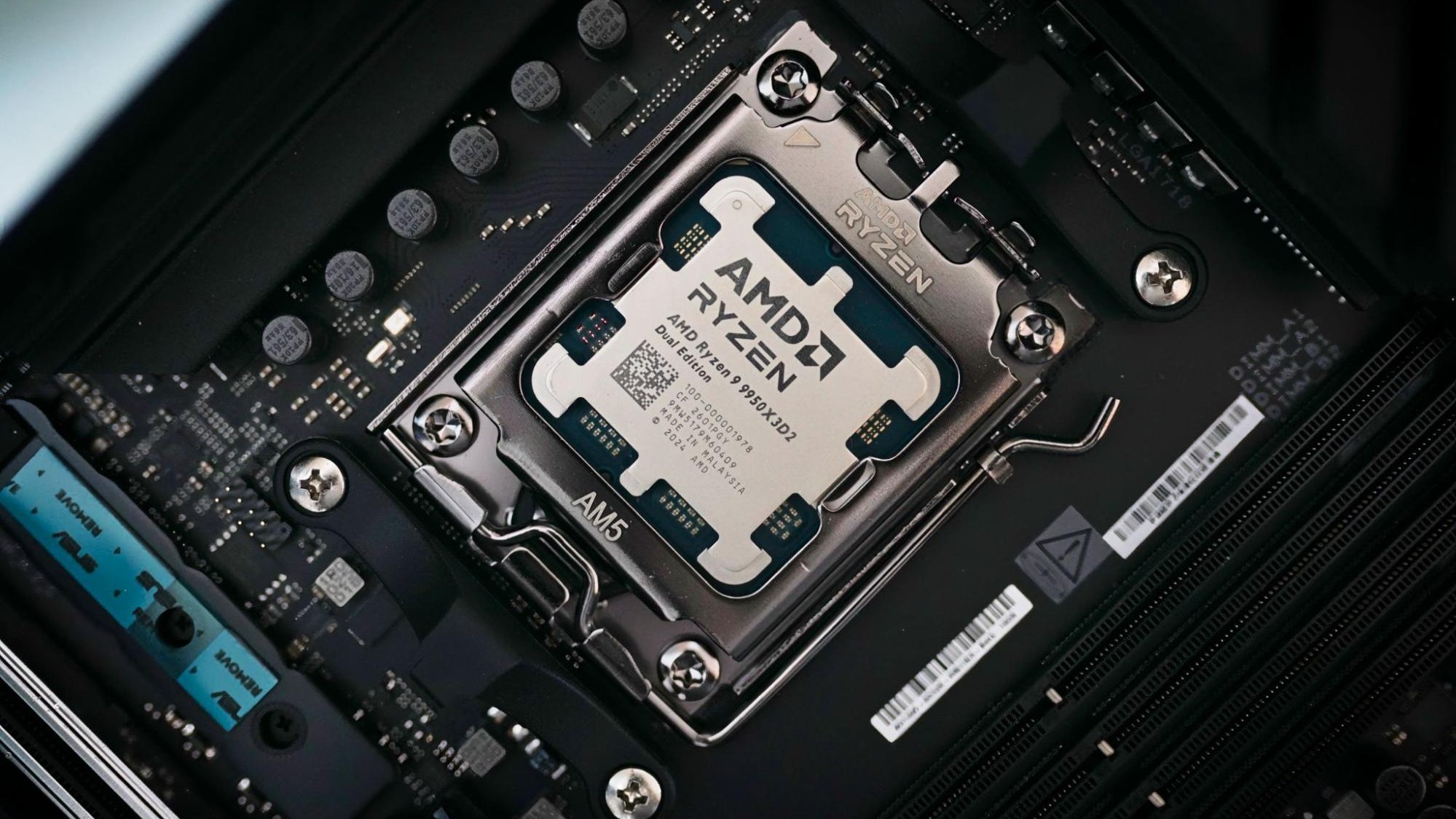
AMD said it wouldn’t make a dual-cache X3D CPU, yet here we are, with the Ryzen 9 9950X3D2 in hand. It’s not a chip that we’d recommend to most builders, even with an unlimited budget; the base Ryzen 9 9950X3D is nearly identical in all but the most niche workloads and hundreds of dollars less. But from the perspective of innovation, the 9950X3D2 achieves something that we never thought we’d see.
As AMD originally promised when discussing dual-cache CPUs, the 9950X3D is expensive, launching at $1,000 and now selling for $890 — a price that still feels far too high. What’s surprising about the CPU is that it delivers no-compromise performance. It can hang alongside the 9800X3D in games; it’s just as fast as the 9950X3D in applications. The extra cache steps in with workstation-level tasks, accelerating data science and AI workloads, in particular.
For the vast majority of users, you won’t notice any performance difference between the 9950X3D2 and 9950X3D. However, the dual-cache chip offers that slight, flagship edge in specialized workloads. And in a time when the majority of high-end computing innovation is heading to the data center, it’s nice to see an ambitious release like the 9950X3D2 on desktop.
Read More: AMD Ryzen 9 9950X3D2 review
GPU: Intel Arc G3 Extreme
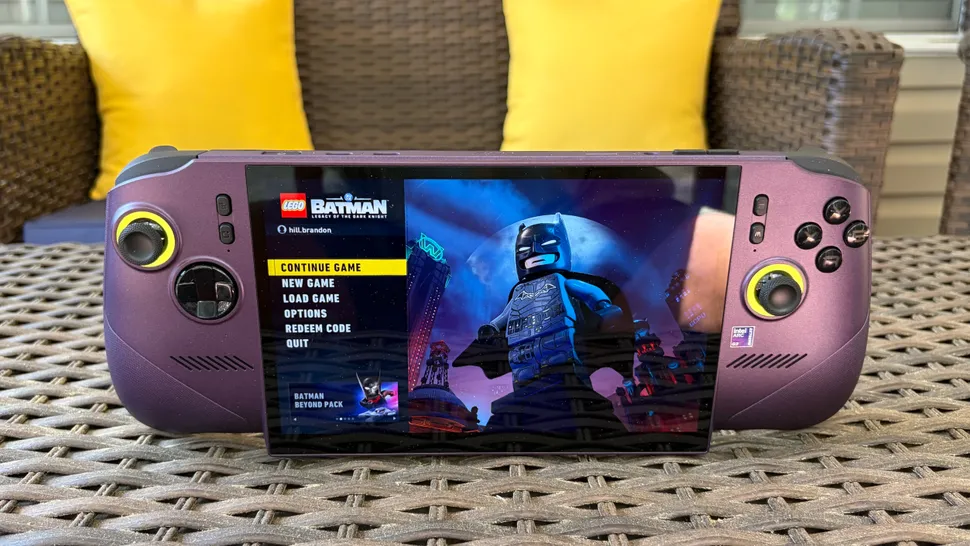
Intel's Arc G3 Extreme handheld platform and its Arc B390 iGPU have changed the game for handheld performance thanks to the cutting-edge Xe3 graphics architecture and the unmatched performance of the B390's 12 Xe Cores for this class of chip. It's made the biggest splash in graphics so far this year as new discrete graphics cards from Nvidia, AMD, and Intel itself remain the stuff of rumors.
In our review of the MSI Claw 8 EX AI+, the Arc B390 iGPU thoroughly outclasses AMD's widely used Ryzen Z2 Extreme and its 16 compute units built on the older RDNA 3.5 architecture. Intel's iGPU turned in performance as much as 50% higher than the Z2 Extreme, even unplugged and at a relatively demanding 1920x1200 native resolution.
The Arc B390 also gives handheld fans access to Intel's high-quality XeSS 3 upscaler with multi-frame generation, offering those gamers advanced tools to tune their gaming experience to taste. AMD hasn't officially brought its latest FSR 4 tech to the Z2 Extreme yet, so Intel's upscaler is the most advanced you can get on a handheld—at least in the games where it's available.
The Arc B390 is the gaming star of the G3 Extreme, but its Panther Lake-based CPU with two P-cores, eight E-cores, and four low-power E-cores gives handhelds built with this chip plenty of CPU power for a balanced package.
The MSI Claw 8 EX AI+ is the first Arc G3-powered gaming handheld, but the OneXPlayer 3 (arriving this month) and Acer Predator Atlas 8 (shipping in October 2026) promise to expand the availability of this platform soon. Our only complaint about the Claw 8 EX AI+ is its high $1799 price tag, but if you want the best handheld gaming experience this side of a much more expensive Strix Halo-powered unit, that's just the state of things amid the AI-driven RAMpocalypse and NANDpocalypse.
Read More: MSI Claw 8 EX AI+ review
SSD: Corsair MP700 Micro
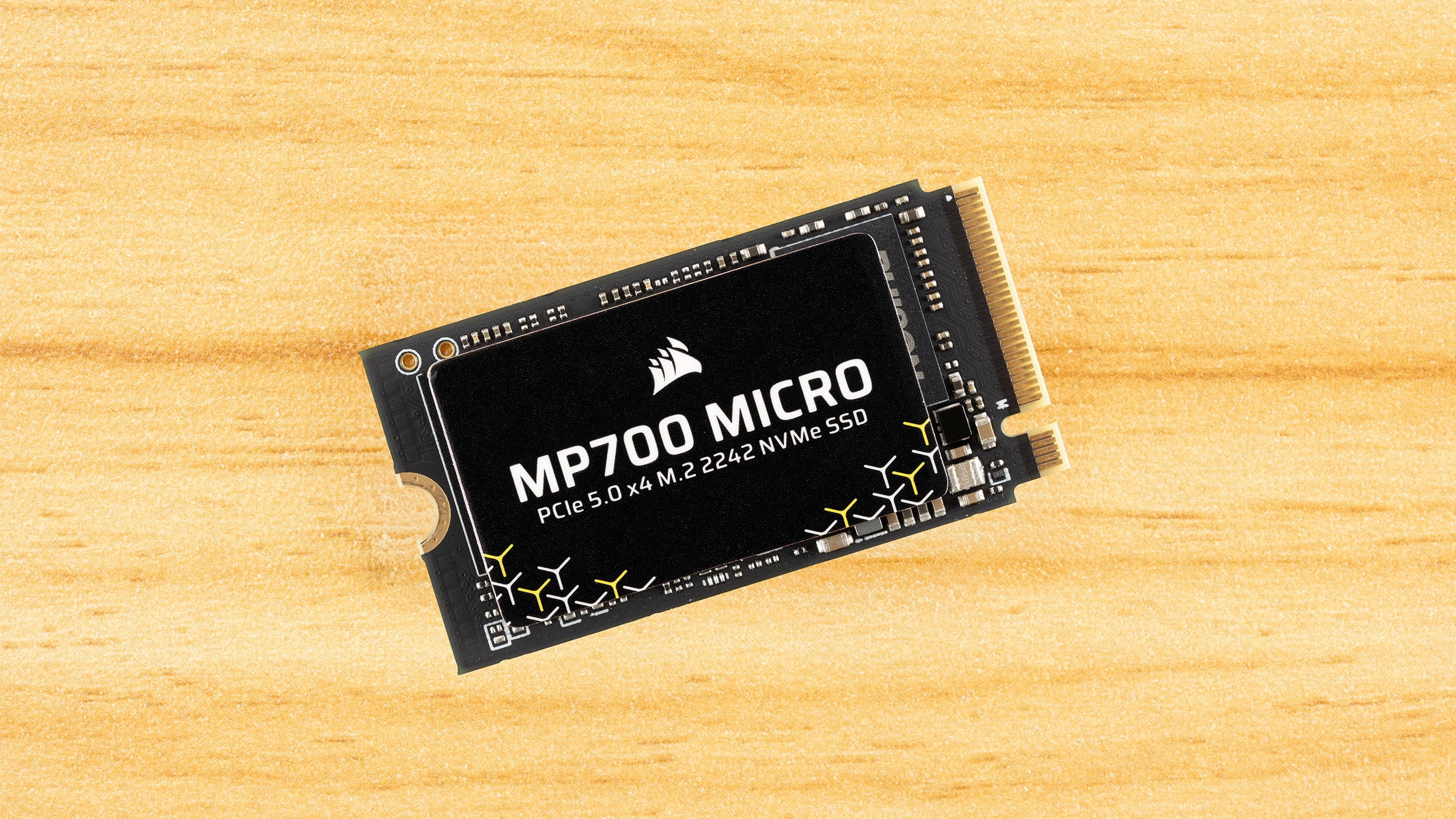
Pricing has been the biggest problem with new SSDs, with prices skyrocketing over the last year as the AI-driven shortages intensify. Despite those challenges, the Corsair MP700 Micro 4TB SSD brings new and innovative features to the table, cramming in the utmost performance into the tiny single-sided M.2 2242 design, making it the fastest and highest-capacity option in this compact footprint.
This PCIe 5.0 SSD leverages the DRAM-less Phison E31T SSD controller, delivering speeds up to 10,000 MB/s of sequential read and 8,500 MB/s of sequential write throughput. Sprinkle in the peak 1.3 million random read and 1.4 million random write IOPS, and this SSD is poised to fully saturate any PCIe 4.0 link, which is the predominate interface used in devices that use this small footprint. The SSD also has exceptionally good power efficiency, a boon for small handheld devices that operate on battery power.
Smaller, faster, more capacity, and better power efficiency; what’s not to like? The only con for this SSD is the same as we see for all models currently — pricing. Hopefully the shortages will recede and bring the pricing of this drive to more tenable levels, but on the whole, this is the most innovative SSD released this year.
Read More: Corsair MP700 Micro 4TB SSD review
Monitor: Alienware AW3426DW
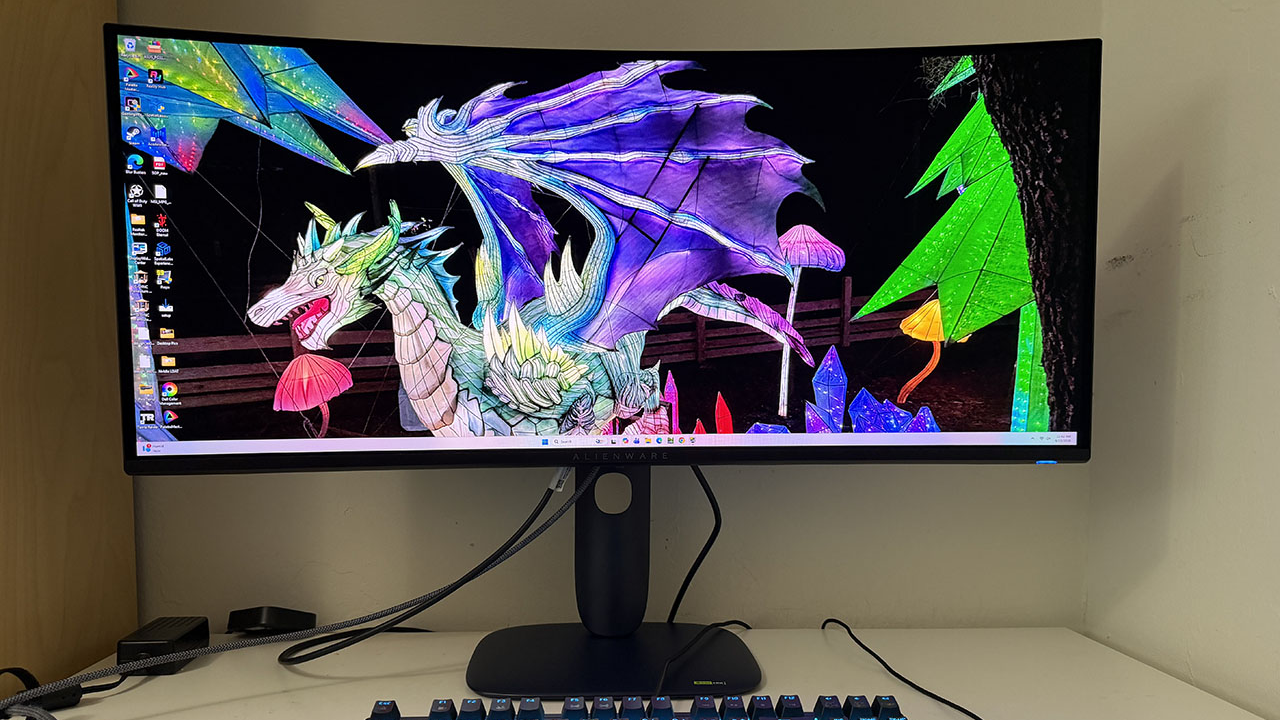
We’ve been seeing a lot of activity in the OLED gaming monitor space over the past year, and panel makers are investing heavily in new technology to make already color panels look even better. The swift advancements have also led to lower prices across the board for OLED monitors, which is an absolute blessing considering that gamers are being pummeled from multiple fronts, with rising costs for RAM, SSDs, and even GPUs.
One new monitor making waves is the Alienware AW3426DW, one of the brand’s first offerings to use a Penta Tandem OLED panel (it features five light-emitting layers instead of three) with V-Stripe RGB sub-pixels. This panel has several advantages over previous QD-OLED panels, with the Penta Tandem arrangement improving energy efficiency and panel longevity. Likewise, the V-Stripe RGB sub-pixels help to combat color fringing and somewhat blurry text, which can be an issue with older QD-OLED designs.
Once you get past the building blocks that make the AW3426DW a standout, it checks all the right boxes for the discerning gamer. It features a 34-inch panel size with an 1800R curve and a 3,440 x 1,440 resolution. Just as important is the refresh rate, which maxes out at 280 Hz while supporting Nvidia G-Sync and AMD FreeSync Premium Pro. Full-field brightness comes in at 300 nits, while it can boost to 1,300 nits (HDR) with a 3 percent window (it’s also DisplayHDR 500 True Black certified).
When it comes to ports, the AW3426DW features two HDMI 2.1 ports and one DisplayPort 1.4 port. It also has a USB-C hub with USB-A and USB-C ports for your peripherals.
As for actual performance, the AW3426DW didn’t disappoint, with sharp, colorful imagery that we expect from OLEDs (especially compared to the previous-generation AW3425DW). We also witnessed low input lag levels compared to its peers. More importantly, the AW3426DW represents an excellent value in this space, with a street price of just under $800.
Read More: Alienware AW3426DW Review
Motherboards: Gigabyte Z890 Aorus Elite Duo X (CQDIMM compatibility)
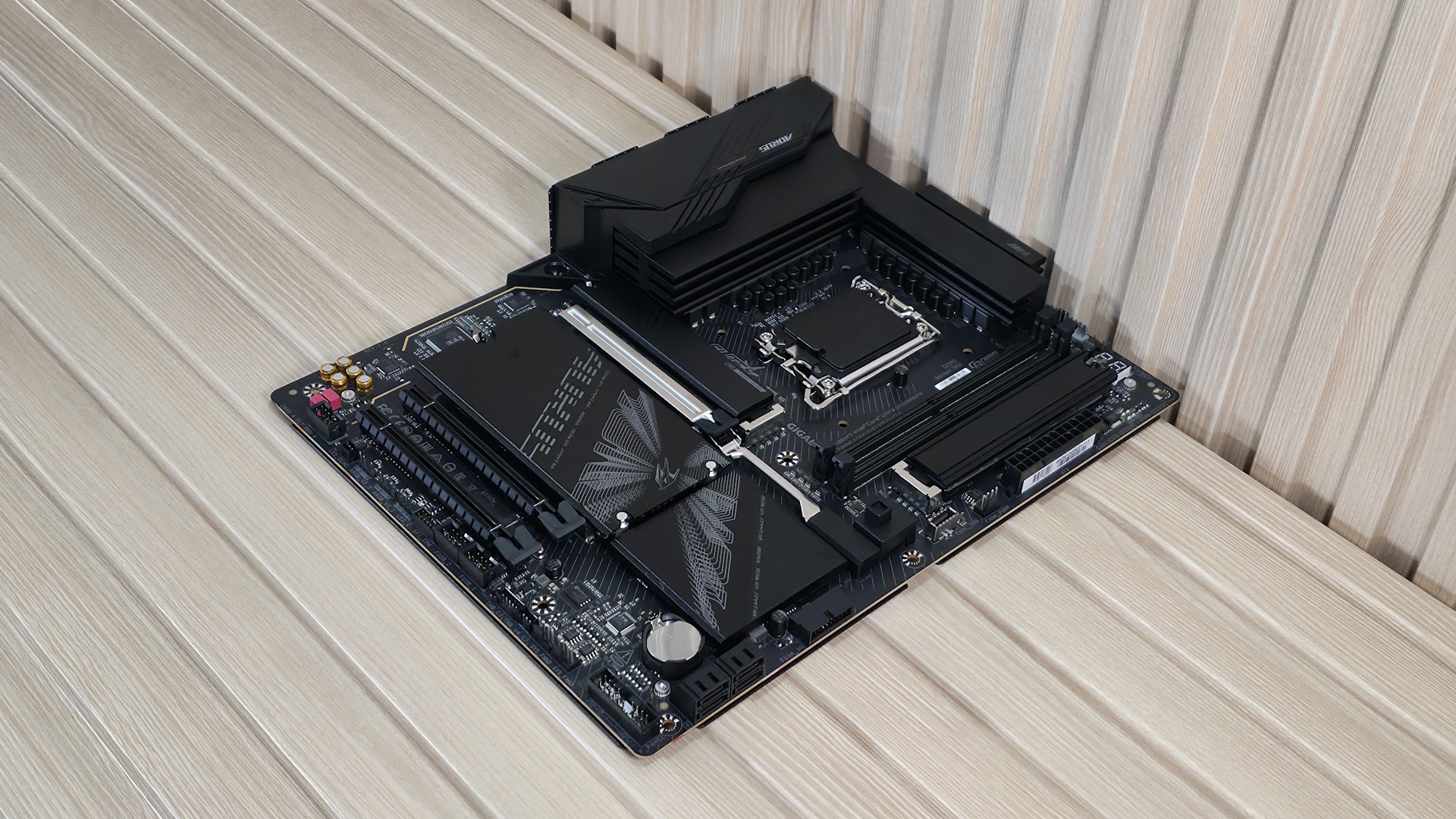
Innovation on the motherboard side has been few and far between. CQDIMMs hit the scene promising increased density, 128GB per stick, and much faster speeds. In fact, we tested a 2x128GB DDR5-8000 set on one of the few affordable consumer motherboards that actually support the high-density, high-speed CQDIMMs: the Gigabyte Z890 Aorus Elite Duo X (MSRP of $279.99), which gets our nod for an innovative motherboard.
The Z890 Elite Duo X sports a 2-DIMM topology and is an early adopter of next-gen JEDEC standards. Gigabyte enhanced the 2-DIMM topology with improved signal reflection by removing the middle slots and thus the interference. They also optimized the PCB circuit with advanced EMI shielding and “2x signal enhancement.” They also tuned the BIOS to support the high-capacity sticks better, upgraded the MRC training algorithm to enhance stability, and even offered per-rank independent tuning for termination, drive strength, and voltage.
I considered the CAMM2 design standard and any boards that support it, as it is unique and innovative. However, it’s still a twinkle in the industry's eye, and only prototype and concept boards seem to exist in the wild. We loved Gigabyte’s space-age X870E Aorus Infinity Next concept, but here again, we won’t see the technology in the public.
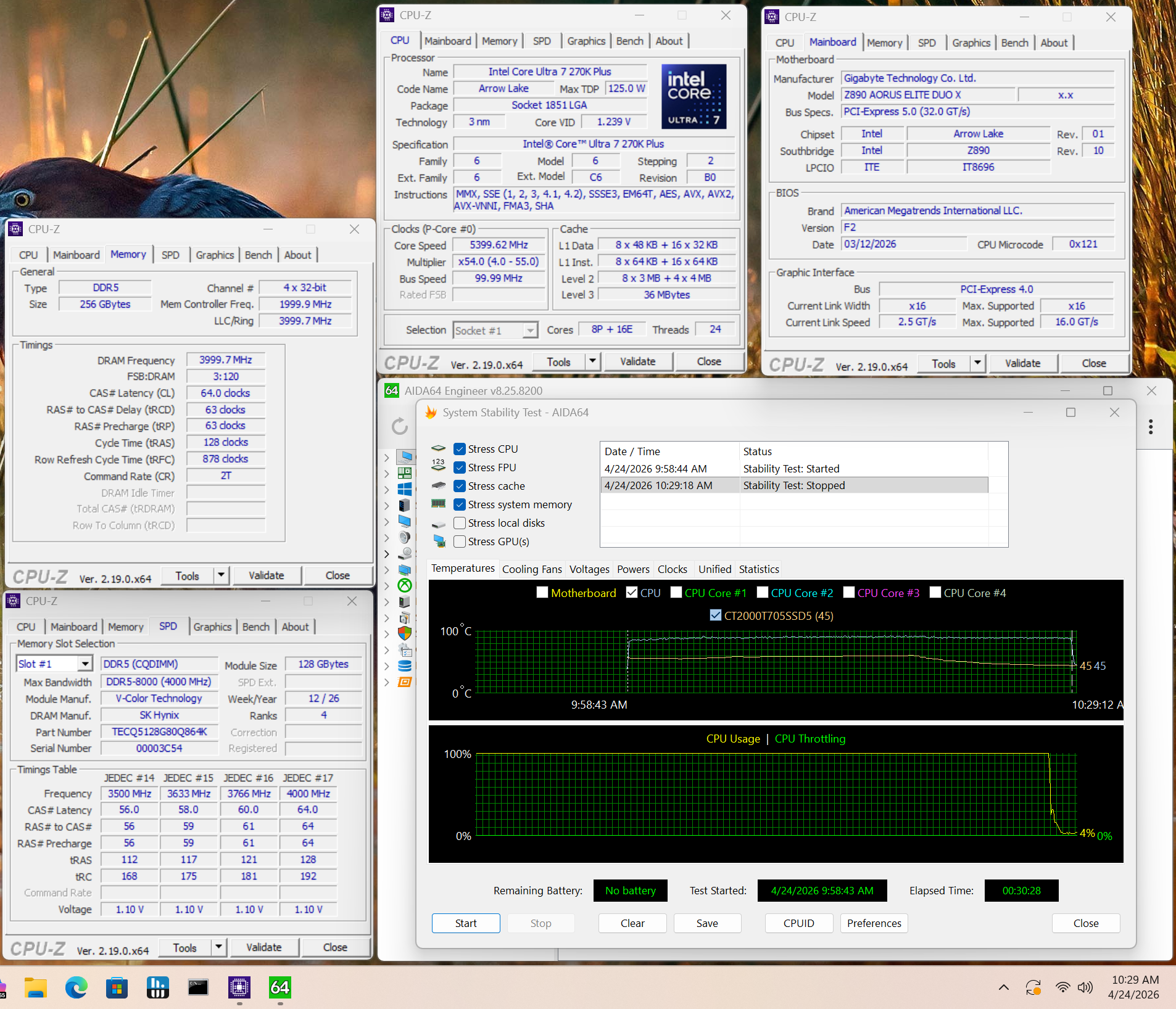
If you’re someone who can use such high-capacity sticks (like running local AI tools, 4K/8K video editing, and content creation), and need the blazing speeds on top of it, the Z890 Elite Duo X stands alone as one of the more reasonably priced ATX form factor motherboards that can actually run them. Other boards do support CQDIMMs (ASRock’s Z890I Nova Wifi R2.0, Z890 Aorus Tachyone Duo X Ice) but good luck finding them in the USA at a reasonable price.
In addition to the CQDIMM support, the board also offers a well-rounded assortment of features for any user. You get a whopping five M.2 sockets (one PCIe 5.0), fast networking with 2.5 GbE and Wi-Fi 7 (320MHz), three full-length PCIe slots, capable power delivery, a last-gen flagship audio codec, and a slew of their DIY-friendly features like M.2 EZ-Latch designs (click, plus, and PCIe EZ-Latch plus, Wi-Fi EZ plug). Even without the CQDIMM capability, it’s a good motherboard.
Read More: Gigabyte Z890 Aorus Elite Duo X Motherboard review
Laptops: MacBook Neo
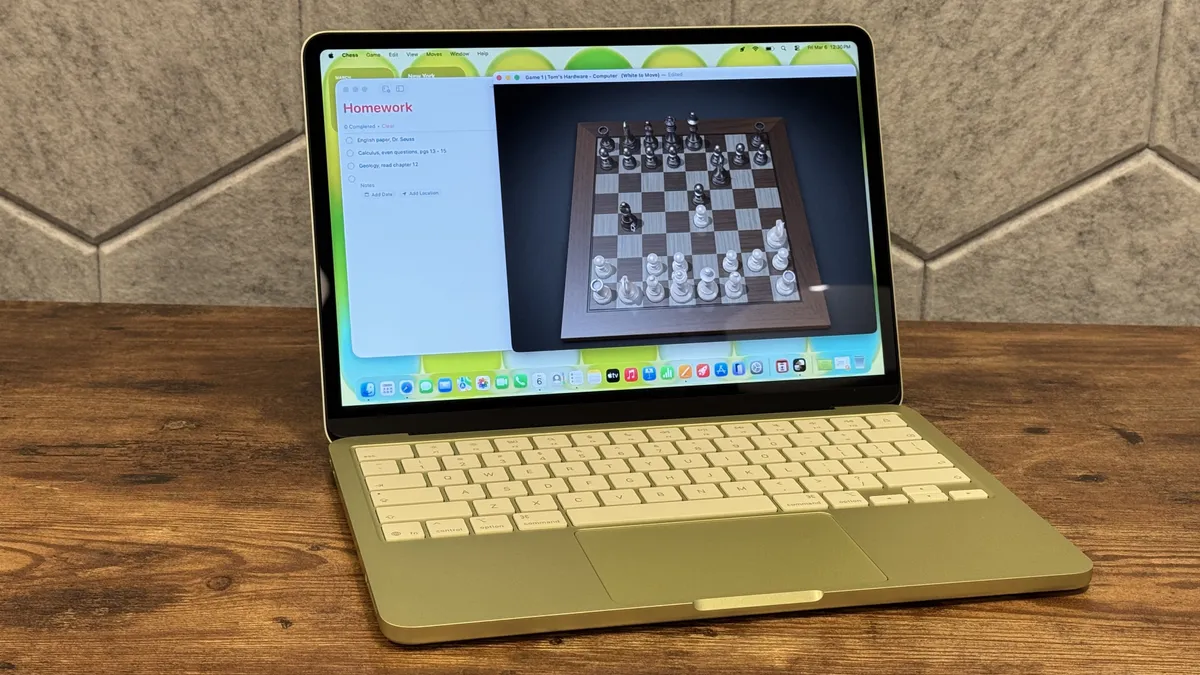
The MacBook Neo stunned the world. Everyone was expecting a notebook cheaper than the MacBook Air, but no one seemed to expect that you'd be able to get a basic Apple laptop experience for just $599. (That price increased to $699 after component-related hikes across Apple's Mac and iPad lines).
The system uses Apple's A18 Pro system on a chip, which also powered the iPhone 16 Pro. That includes six CPU cores, five GPU cores (down one from the iPhone), and 8GB of RAM. It also has a solid aluminum build that feels great, a decent, consistent, bright screen (that looks best head-on), side-firing speakers, and a keyboard not unlike the one on a MacBook Air. Even though there's a mechanical touchpad, Apple designed a mechanism that lets you click anywhere, rather than using a hinge.
Beyond the headphone jack, there are only two ports, and they're not the same speed. The A18 Pro wasn't meant for two ports, but Apple had to make it work. This resulted in an awkward combination of one 10GB/s USB-C 3 port and a second, 480 Mb/s USB-C 2 port, leading to two visually identical ports that don't offer the same experience. Despite a few drawbacks, the MacBook Neo is largely an extremely solid experience and far more affordable than we've seen before. It has also inspired competition among its Windows-based rivals, with the Dell XPS 13, Acer Swift Air 14, and other Intel Wildcat Lake systems bringing some nicer laptops in under $1,000 in response.
Read More: Apple MacBook Neo review: a budget-priced game-changer
Laptops: Dell XPS 14
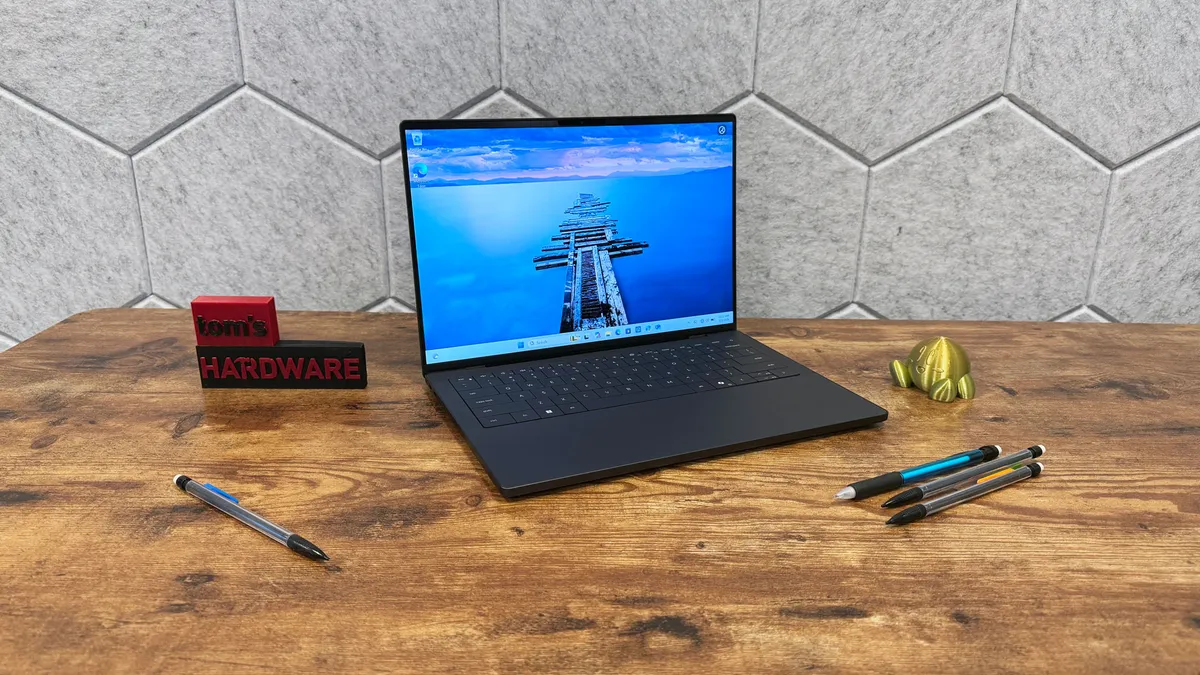
The Dell XPS 14 is perhaps most notable for breathing some fresh air back into the brand. Beyond being one of the first systems since Dell revived its flagship PC label, the XPS 14 also fixed many of the problems its predecessors had. The touch function keys are gone, replaced with an honest-to-goodness function row. The haptic touchpad still sits in a glass wristrest but with defined barriers that ensure anyone can tell where the edges are. But most interesting is the option for a 1920 x 1200 variable refresh rate display that drops as low as 1 Hz (and up to 120 Hz). That extremely low refresh rate means the system won't refresh as often when static text or images are on the screen. Our review unit with that screen lasted over 20 hours on our battery test.
Read More: Dell XPS 14 (2026) review: Two steps forward
Cooling: Noctua NL-LC1-36
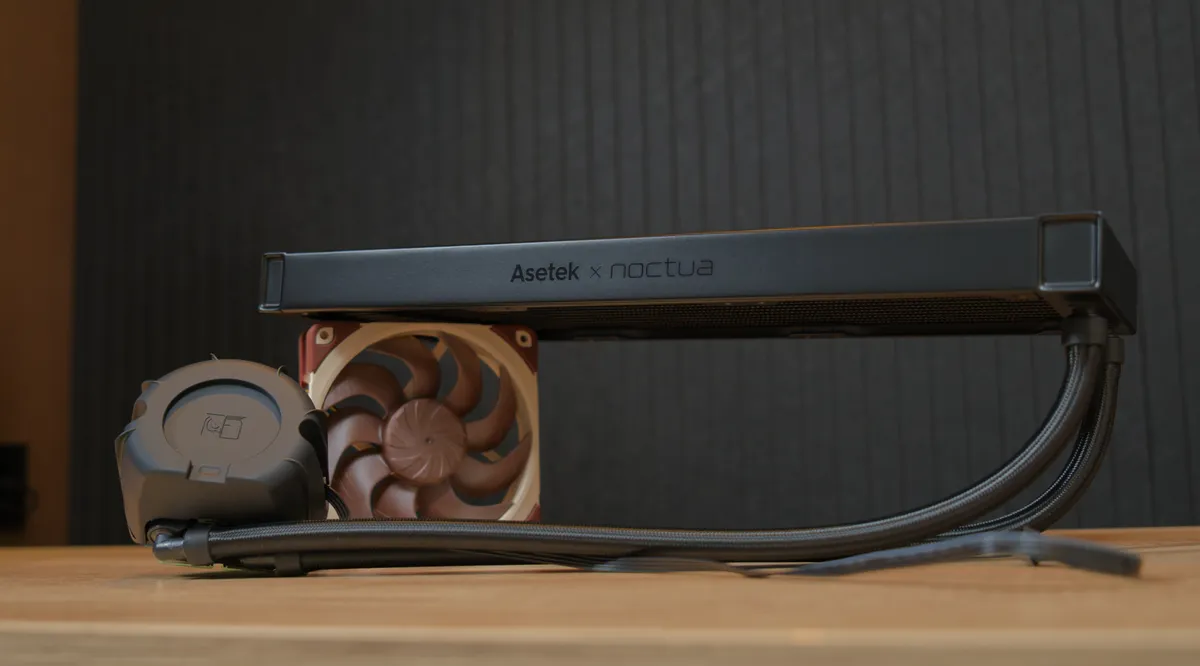
Leave it to Noctua to take its sweet time entering a well-established cooling category, and drop a product that performs as well as any competition (in terms of temps), while being hands-down the quietest AIO on the market. And of course, the NL-LC1-36 does this with no RGB, and in the company's signature brown and beige. Built in partnership with Asetek, around the company's Emma Gen8 V2 pump, with a noise-absorbing pump cover, the cooler is paired with two or three NF-A12x25 G2s fans (depending on the model).
The fans even have 50 RPM offsets to avoid audible harmonics – our testing showed it beating the high-end cooling competition in noise-normalized benchmarks, while its pump can run much slower in low-load situations than anything else, further limiting acoustics. To be clear, at $220-$250, you'll pay for this level of silent, refined cooling, but Noctua has raised the bar, delivering a level of liquid cooling previously only available via custom cooling, which is much more complex and expensive.
Read More: Noctua NL-LC1-36 review
Keyboard: Corsair Galleon 100 SD
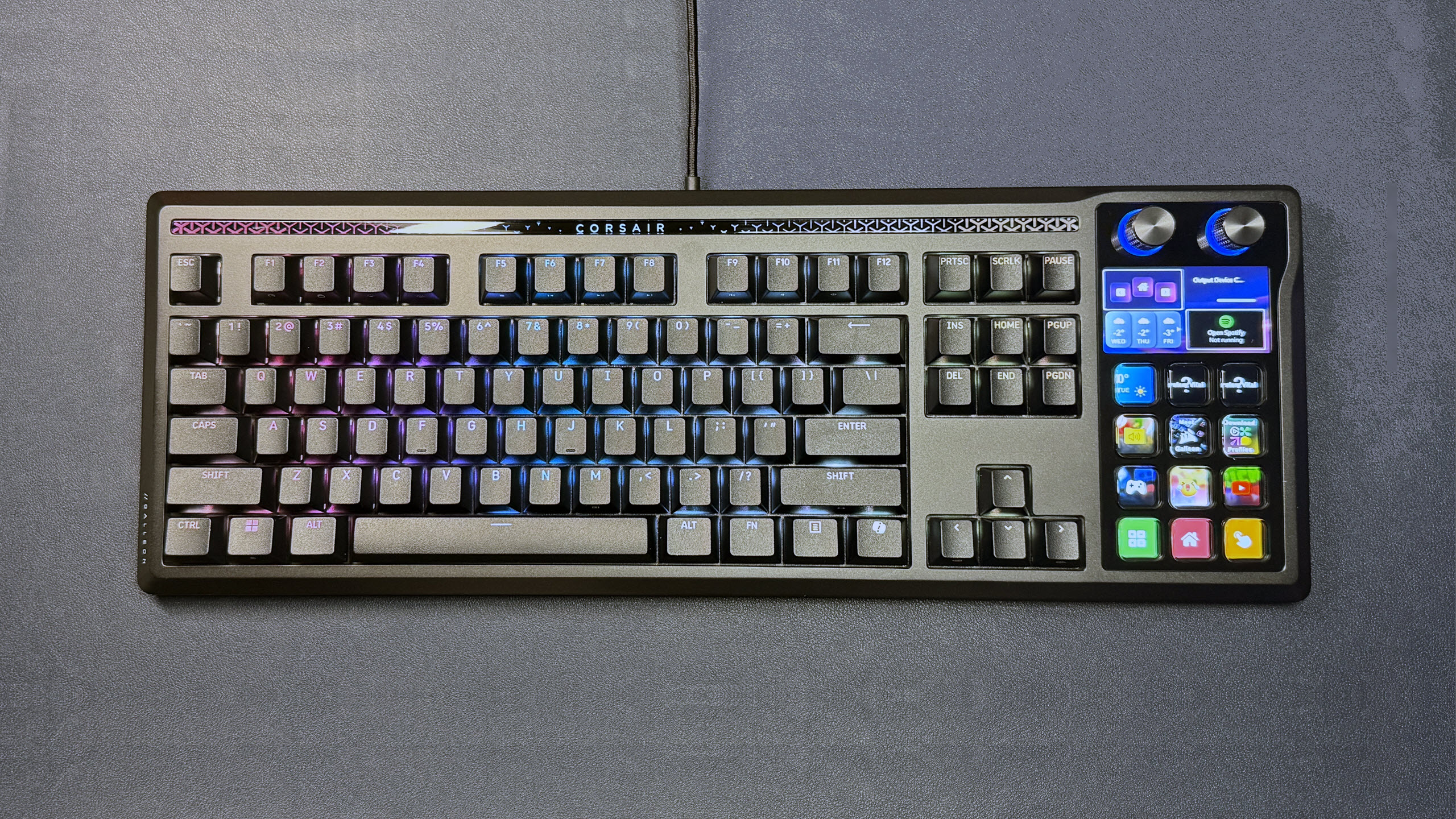
The Corsair Galleon 100 SD is the first keyboard with a built-in physical Stream Deck. While this might not have seemed particularly revolutionary at first (after all, there are plenty of keyboards with... extra programmable keys), it's far more useful than you might expect, thanks to Elgato's robust Stream Deck ecosystem, which is pretty well-integrated with third-party hardware and apps. Plus, the keyboard itself is excellent — it features an aluminum top case over a plastic chassis, a hot-swappable PCB, lower-profile double-shot PBT keycaps, and six layers of sound-dampening foam that does a great job of keeping case ping and echoing to a minimum. It also gets up to an 8,000 Hz polling rate and comes with a matching wrist rest.
The Stream Deck side is also impressive, with 12 customizable LCD keys under a 2.75-inch full-color screen and two programmable aluminum rotary knobs. You'll still have to set it up, as a Stream Deck (or any macro pad) is only as useful as you make it, but Elgato's Stream Deck software makes this relatively easy, and you can find plenty of additional plugins and customization options on the Stream Deck Marketplace (plus, it does come with some pre-programmed options to get you started). It's not the cheapest keyboard on the market — it retails for around $350 — but if you're willing to set up the Stream Deck side, it's well worth the price.
Read More: Corsair Galleon 100 SD review
Mouse: Pulsar Feinmann F01 Noctua Edition
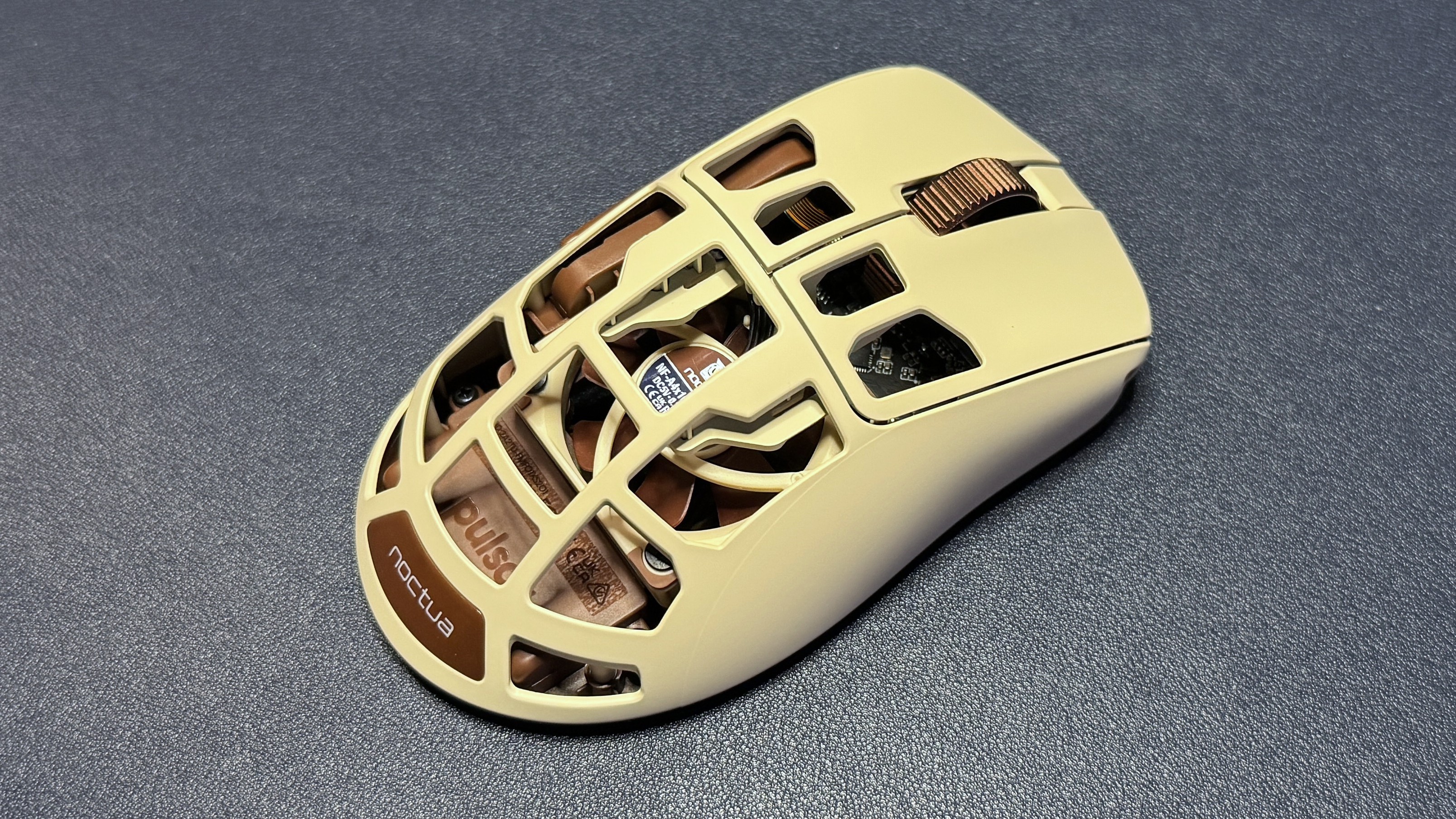
It's not the first mouse to have a built-in fan, but it's the first mouse worth buying with a built-in fan. The Pulsar Feinmann F01 Noctua Edition is a lightweight wireless eSports-oriented gaming mouse with a perforated shell and a built-in Noctua NF-A4x10 5V fan, which is aimed upward — designed to keep your palm cool while you game. The NF-A4x10 is surprisingly effective, with four adjustable speed levels, and it's mostly silent (you can hear it at the highest level, but it shouldn't be too much of an interruption).
It's also a great mouse, featuring Pulsar's XS-2 sensor, which has a maximum resolution of 42,000 DPI and a maximum speed of 800 IPS and can handle up to 70 G's of force. It gets up to an 8,000 Hz polling rate over both wired and wireless connections, and it has a comfortable, ergonomic right-handed shape with five programmable buttons. It weighs 73g — a little heavier than most of its competition, but the fan might just be worth it.
Read More: Pulsar Feinmann F01 Noctua Edition review
Mouse: Logitech G Pro X2 Superstrike
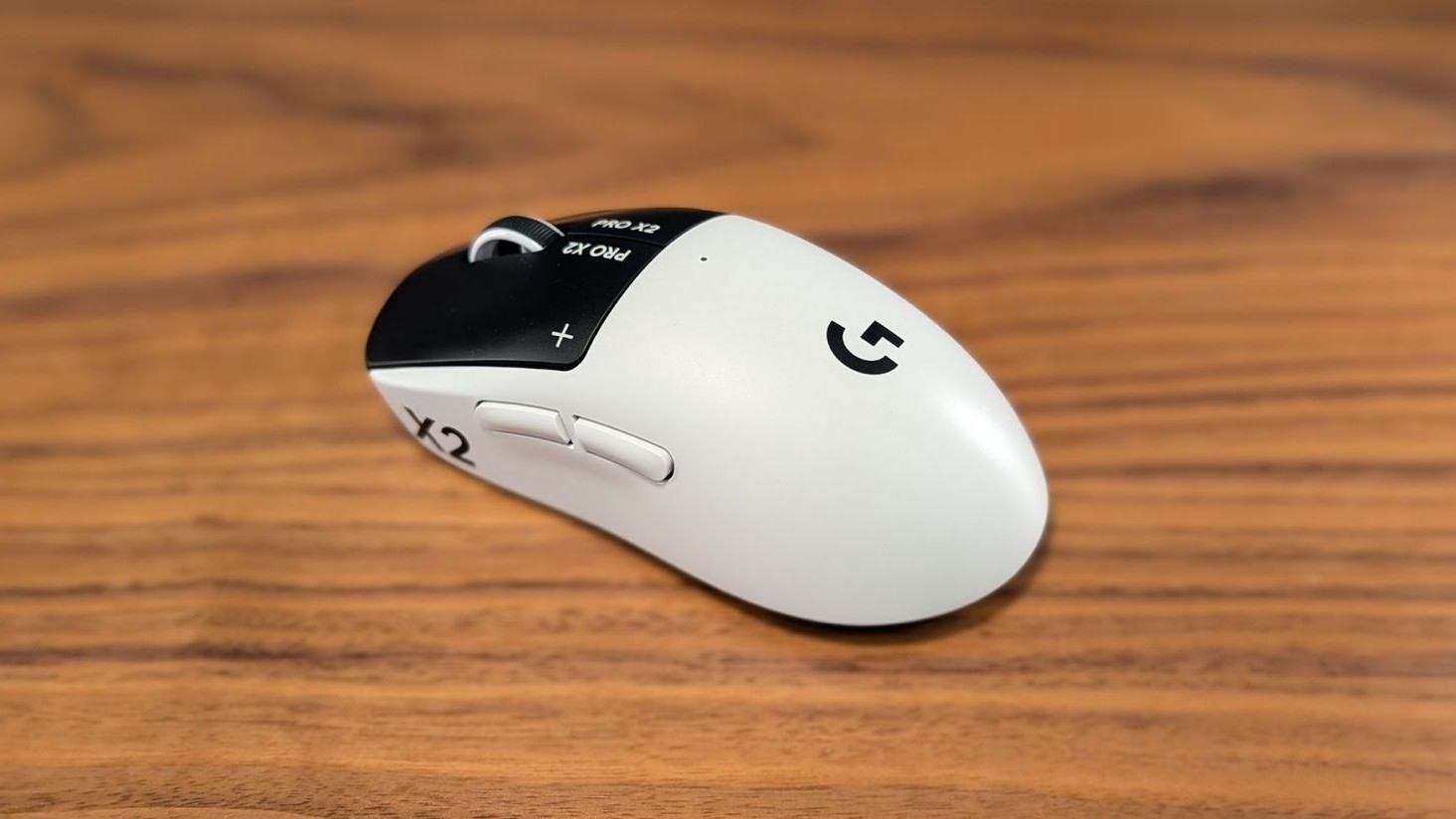
We hadn't seen a ton of innovation on the performance side of gaming mice — until earlier this year, when Logitech dropped its Logitech G Pro X2 Superstrike earlier this year. The specs are premium, but expected: Logitech's Hero 2 sensor, which has a maximum resolution of 44,000 DPI and a maximum speed of 888 IPS and can handle up to 88 G's of acceleration; up to an 8,000 Hz polling rate; and a 61g, pseudo-symmetrical shape that's identical to that of the Logitech G Pro X Superlight 2.
What's innovative are the switches — or rather, lack thereof. Instead of using actual switches below the left and right mouse buttons, the Superstrike uses Logitech's H.I.T.S. (Haptic Inductive Trigger System), which combines induction sensors with haptic feedback. The result is mouse buttons with adjustable actuation and tactile feedback. In other words, you can lower the actuation of your mouse buttons to make them incredibly sensitive and — objectively — more responsive, without sacrificing tactility. It also means that this is the first (and, still, only) mouse that supports Rapid Trigger, which means you don't have to fully release the mouse button before you can click it again — making it even more responsive.
There's no guarantee this mouse will make you a better gamer, but it certainly won't hold you back.
Read More: Logitech G Pro X2 Superstrike review
Mobile CPU: Intel Cores Series 3 "Wildcat Lake"
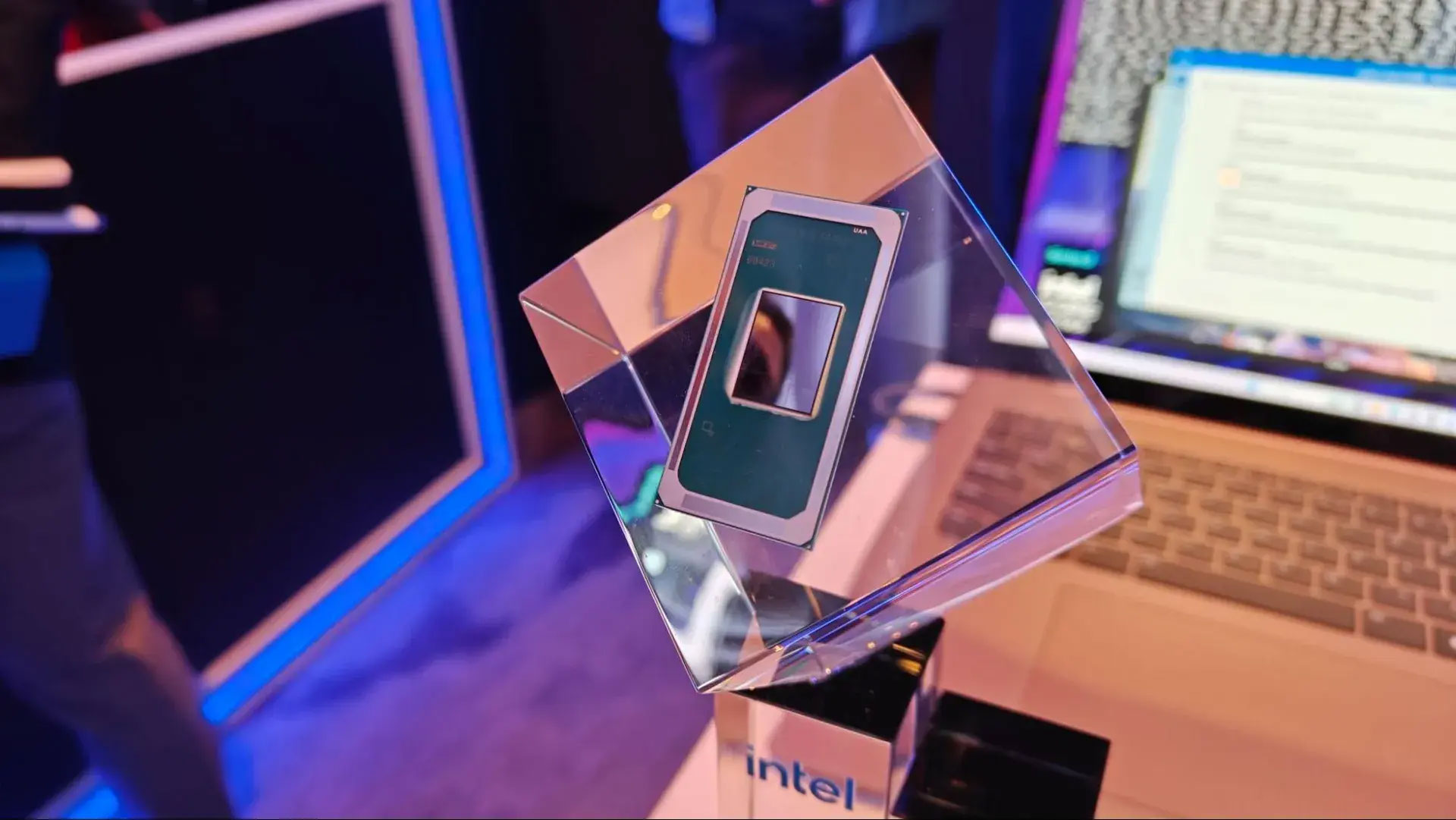
Intel's entry-level chips might not always seem exciting, but this year, they're powering a handful of the most important Windows systems on the market: the ones competing with the MacBook Neo. There are six consumer configurations of Wildcat Lake, all built on Intel's 18A process. The silicon uses a two-tile package with a compute die and an external platform controller tile. The compute die carries up to two Cougar Cove P-cores, four Darkmont low-power E-cores, an NPU 5 block, and an Xe3 integrated GPU with up to two Xe-cores, while the platform controller tile delivers six PCIe 4.0 lanes, up to two Thunderbolt 4 ports, Intel Wi-Fi 7 (R2), and Bluetooth Core 6.0.
We've seen versions of Wildcat Lake in a number of consumer notebooks, but among the most important are the Dell XPS 13, the highest-profile Neo competitor, as well as sub-$800 models from Acer, Lenovo, and Chuwi. Outside of Snapdragon X chips from a few years ago, these are the systems keeping x86 and Windows competitive on the low-end.
Read More: Intel launches Wildcat Lake as Core Series 3 for value laptops and edge systems
Dishonorable mention: Slip back to DDR4 memory
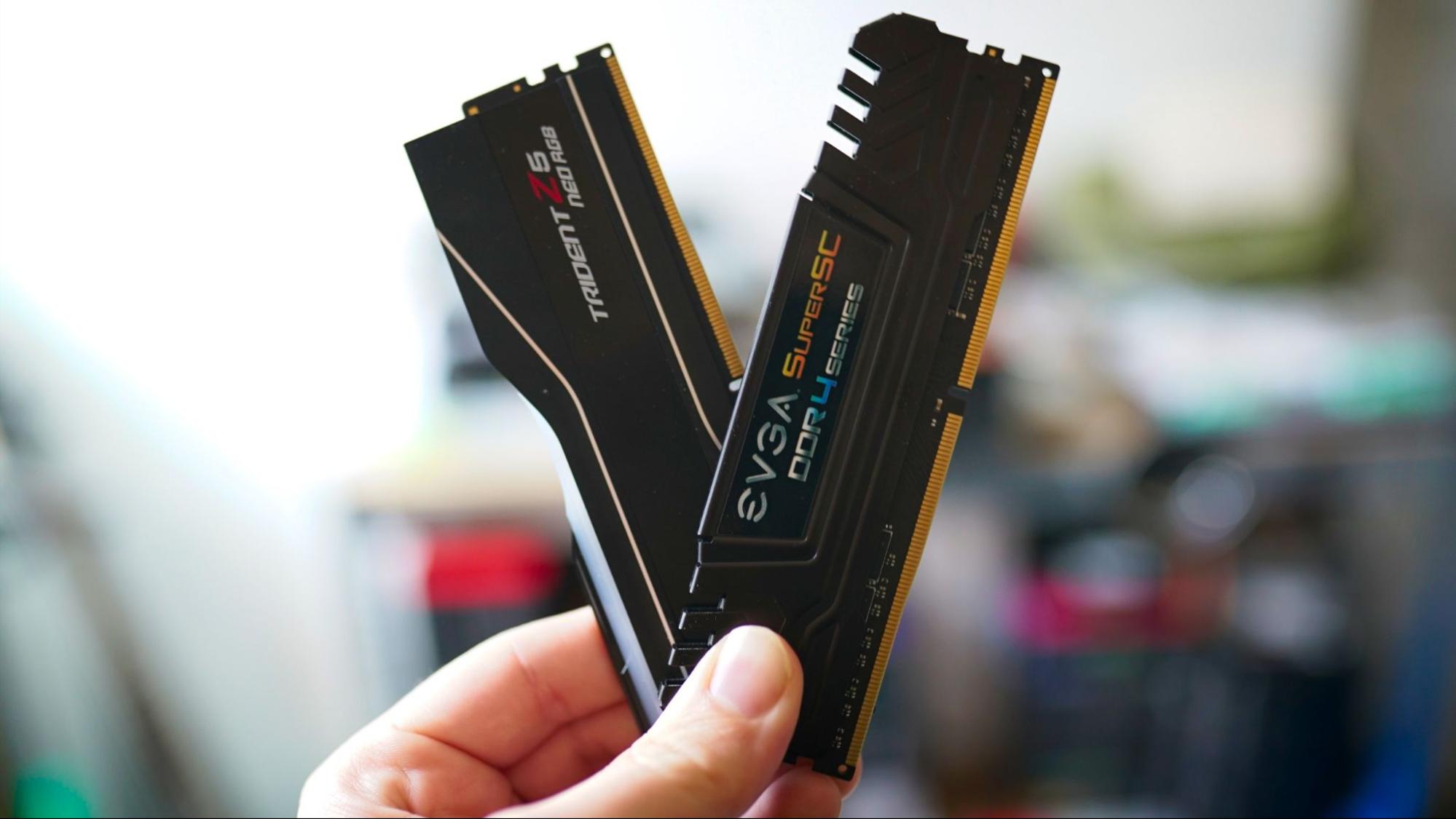
When DDR5 was first introduced to consumer platforms, there was a fuss about how expensive it was compared to DDR4, a comparison that now seems quaint given the current market conditions. With how expensive DDR5 has become, there’s been a shift back to DDR4 platforms, with Tom’s Hardware first reporting in June about motherboard manufacturers spinning refresh DDR4 boards up to meet the demand; Gigabyte actually launched a new LGA 1700 DDR4 board just days ago.
The CPU brands are bracing for a tick back, as well. AMD has already re-released the Ryzen 7 5800X3D, and ironically at a price higher than the DDR5-based Ryzen 7 7700X3D, which is newer, faster, and surprisingly cheaper, at least for the CPU alone. For Intel’s part, murmurs about “Raptor Lake Next” have floated around, with Tom’s Hardware first reporting on the range earlier this year.
It became clear even in the first few weeks of the memory shortage that DDR4 platforms would remain popular. However, what we’ve seen over the past few months is something different, with DDR4 becoming an upgrade destination due to the prohibitive cost of DDR5. The memory shortage is perhaps the biggest story of the past 12 months, and unfortunately, it doesn’t appear like it’s ending soon.
Read More: Production of DDR4 memory and motherboards is restarting amid unprecedented memory shortages
Dishonorable mention: Discrete GPU stagnation
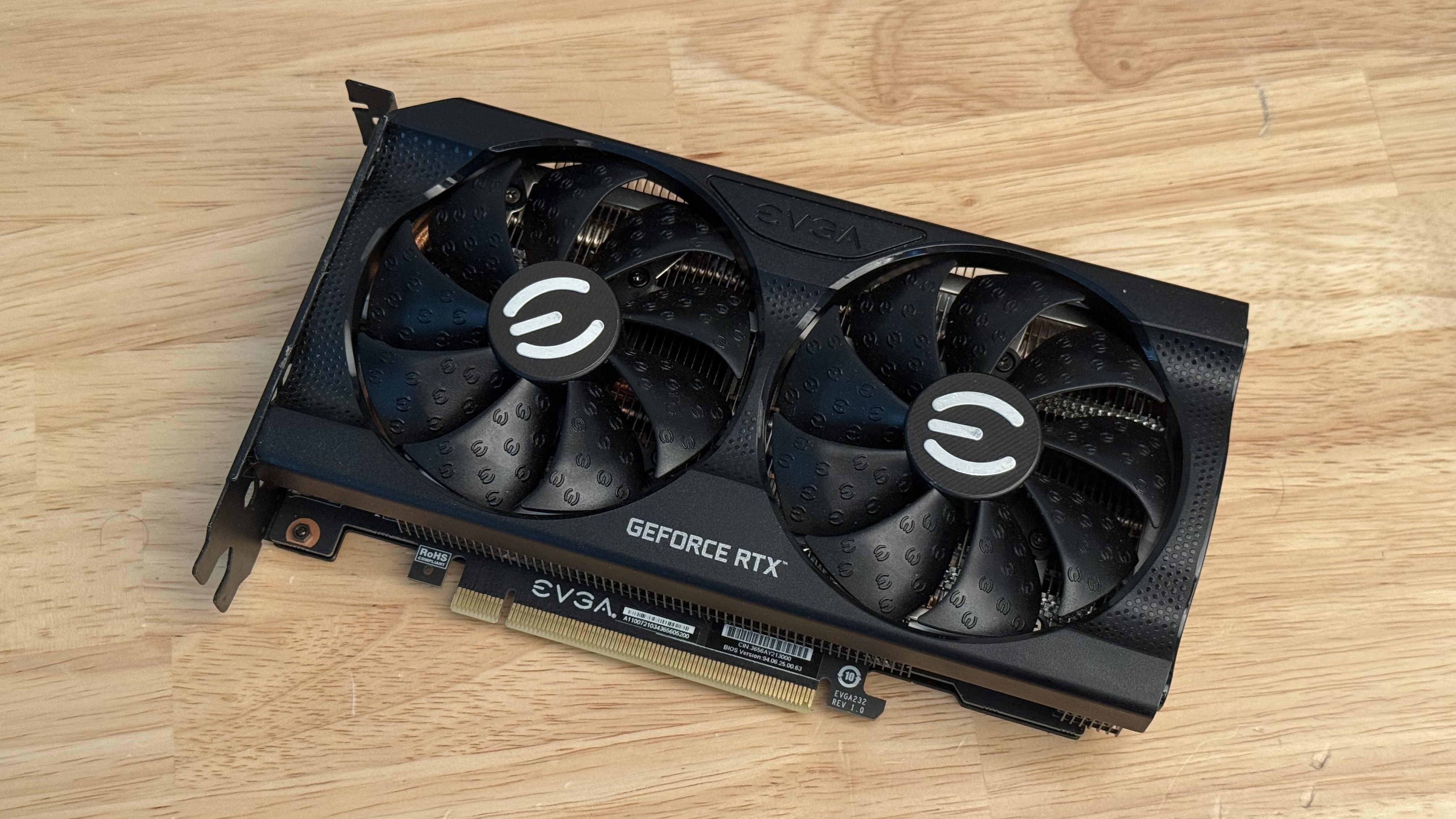
The sad truth for PC gamers in 2026 is that we’re no longer anywhere close to the first priority for GPU innovation. Nvidia and AMD are laser-focused on the AI compute arms race, and any resources or wafers that aren’t dedicated to that market represent a large opportunity cost for those companies as they try to capture every last AI dollar.
Nvidia’s long-rumored RTX 50 Super-series refresh, if it ever arrives, would likely follow a familiar approach of slightly boosting core clocks and increasing the amount of VRAM on select cards using 3GB GDDR7 chips.
Reports indicate those denser GDDR7 chips are quite costly, though, and any increase in VRAM capacity on gaming graphics cards would immediately make them better for local AI applications while offering little performance benefit to the vast majority of games available today.
Since local AI trailblazers are ravenous for every FLOP and gigabyte of VRAM they can get and are willing to pay premium prices for the privilege, any RTX 50 Super products would likely launch at even higher price points than the already hiked-up RTX 50-series products already in the market.
And since Nvidia’s RTX Pro cards already offer larger VRAM pools paired with the same Blackwell silicon, any RTX 50-series Super products also run the risk of cannibalizing sales of products at the low end of the RTX Pro stack. All these pricing and positioning headaches make us skeptical that we’ll ever see a Super-series refresh under current market conditions.
Any further gaming innovation this year from Nvidia seems likely to be concentrated on software. The company has spent much of 2026 improving its already superior DLSS upscaling and frame generation technologies. Its wildly controversial DLSS 5 update, which promises an extensive AI-powered enhancement of lighting effects and character details in supported titles, is slated to launch this fall, but it remains to be seen whether the considerable resource demands of the tech will be tamed before that point. And it’s just as unclear whether gamers will ever warm up to the extensive changes that DLSS 5 makes to the final presentation of a game.
AMD’s next-generation RDNA 5 gaming products also seem unlikely to arrive any time soon. The current buzz projects that those products will arrive late next year or in early 2028, and given that AMD’s client and data center CPU and AI GPU revenue are both set to massively outpace the contributions of its gaming business unit, it seems that the company will likely continue to focus resources on those areas until there’s competitive reason to do otherwise.
Intel also hasn’t committed to any new discrete gaming graphics products with its current roadmap, and the relatively lackluster gaming performance of its Arc Pro B70 “Big Battlemage” card (roughly equivalent to an RTX 5060 Ti) suggests that the Xe2 architecture has reached the end of the line for performance scaling from a larger (and costlier) chip.
Intel instead seems focused on driving iGPU performance forward (as proven by the impressive Arc B390) and on capturing a bit of the AI market with its Crescent Island inference accelerator using the Xe3P architecture. The ongoing AI gold rush, combined with CEO Lip-Bu Tan’s professed focus on improving Intel’s operating margins, likely means that any future discrete GPU from the company will face considerable challenges for an internal green light under current market conditions.
Business is business, and public companies have an obligation to maximize shareholder value. That means that unless and until the semiconductor industry finds a new level with the AI boom such that the insatiable demand for AI silicon and memory is met, PC gamers are going to have to face the disappointing fact that we’re in the back seat for any future gaming chips. But can we offer you an RTX 3060 12GB in this trying time?
Read More: Legacy Nvidia RTX 3060 12GB returns to retail five years after original launch