微信内可能无法直接打开本站。请点右上角 ··· → 在浏览器打开,或复制链接。
Euro 7 Regulations Threaten Future of Audi’s 2.5-Liter Turbocharged Engine
RSS 官方收录 · 可信分层展示
关键摘要
SummaryAudi Sport is actively exploring ways to keep its legendary 2.5-liter five-cylinder engine alive for another generation.…
- Strict Euro 7 emissions rules demand costly hardware overhauls that ar…
- The distinctive roar of the Audi RS3 might not be silenced just yet.
- For half a century, the odd-cylindered inline-five engine has served a…
摘要引擎:抽取
正文提要
Summary
Audi Sport is actively exploring ways to keep its legendary 2.5-liter five-cylinder engine alive for another generation.Strict Euro 7 emissions rules demand costly hardware overhauls that are difficult to justify on a niche, low-volume engine.
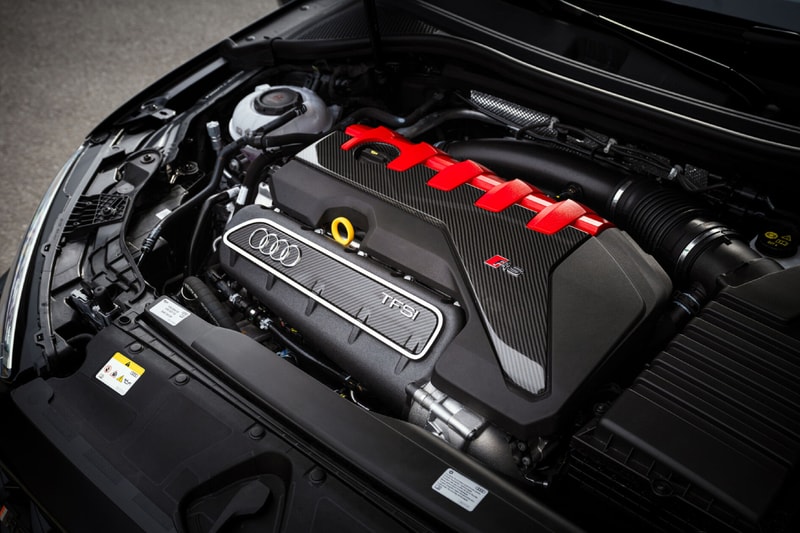
The distinctive roar of the Audi RS3 might not be silenced just yet. For half a century, the odd-cylindered inline-five engine has served as a cultural hallmark for Audi. While the recent RS3 Competition Limited release felt like a swan song for the iconic motor, Audi Sport boss Rolf Michl recently revealed that internal evaluations are still underway to secure its survival for another generation. The brand recognizes the historical gravity of the powerplant and its unique soundtrack. Michl noted that the compact RS model serves as a vital emotional entry point for the high-performance lineup.
The primary hurdle threatening the engine is the looming implementation of Euro 7 emissions standards. These strict new European regulations take effect in late 2026 and demand sweeping hardware overhauls. Compliance requires completely reworked particulate filters, specialized sensors and advanced catalytic converters. Audi CEO Gernot Döllner previously questioned the financial viability of such massive investments. The 2.5-liter turbocharged engine currently exists in a highly restricted production run. It only powers two low-volume vehicles: the Audi RS3 and the Cupra Formentor VZ5. Recouping development costs on such a niche footprint remains a massive corporate roadblock.
Automakers face mounting pressure to balance heritage with an increasingly electrified and highly regulated market landscape. To keep the inline-five alive, Audi must find a way to justify the expense. One potential technical solution involves hybridizing the drivetrain. This strategy helped extend the life of the V6-powered RS5 but naturally introduces unwanted weight and complexity to a compact chassis.
A more enthusiast-friendly approach relies on sheer production volume. The Audi RS3 shares the ubiquitous MQB platform architecture with countless other Volkswagen Group vehicles. Expanding the engine application to additional models could easily offset the steep Euro 7 compliance costs. Industry rumors suggest a highly tuned VW Golf R could eventually utilize the five-cylinder motor to celebrate the original R32 anniversary. Audi Sport moved roughly 36,000 cars globally last year and the RS3 represents just a small fraction of those sales. If the legendary five-cylinder is going to survive the modern regulatory era, the automaker will need to stop treating the engine like a limited heirloom and unleash it across the broader corporate portfolio.
Click here to view full gallery at Hypebeast