Donald Trump doesn't appear to be a fan of the data center backlash that has swept the nation. Posting on his Truth Social platform, the President said that communities that reject data centers only do so because "they want to end up being backwards and poor," and posited that China "could not be happier with this anti Data Center movement." The comment comes amid a wide, albeit unorganized, pushback to data center buildouts in the United States that's left local communities and municipalities reckoning with an unanticipated and rapid infrastructure buildout.
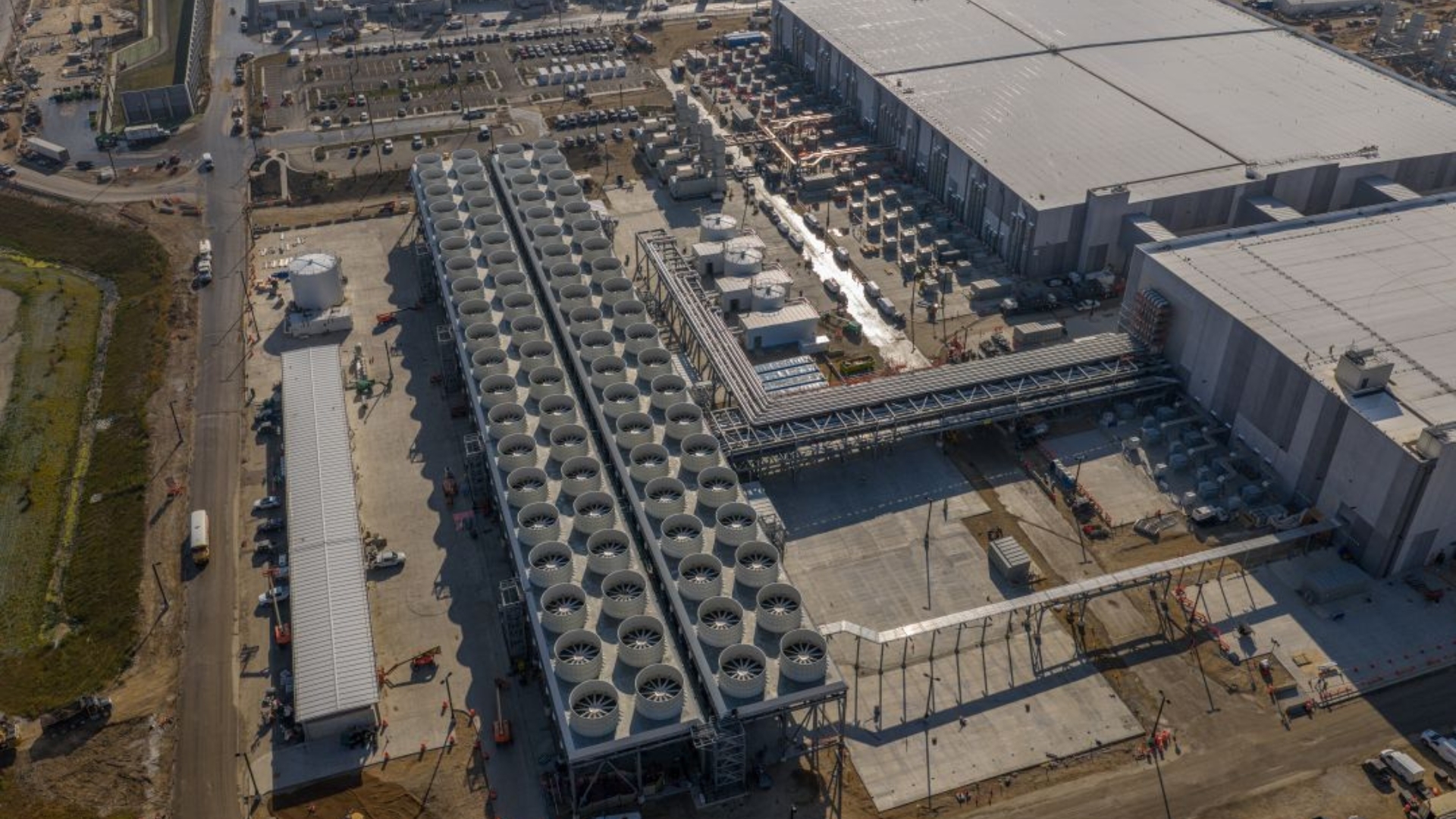
- The data center cooling state of play
- The custom AI ASIC state of play
- America’s AI chip rules keep changing — and the rest of the world is paying the price
- GTC 2026: Ian Buck press Q&A transcript — VP of Hyperscale and HPC speaks out on shelving CPX and shipping LPU decode this year
- Demand for data center CPUs has surged, and AI agents are responsible
Local pushback has been widespread and consistent across the country. Earlier this month, an Amazon data center came under fire for circumventing public feedback based on old laws. Since April, leaders across the nation have received an elevated number of credible death threats related to data centers since April. And last month, the number of local bans on data center developments crossed over 500 within the United States.
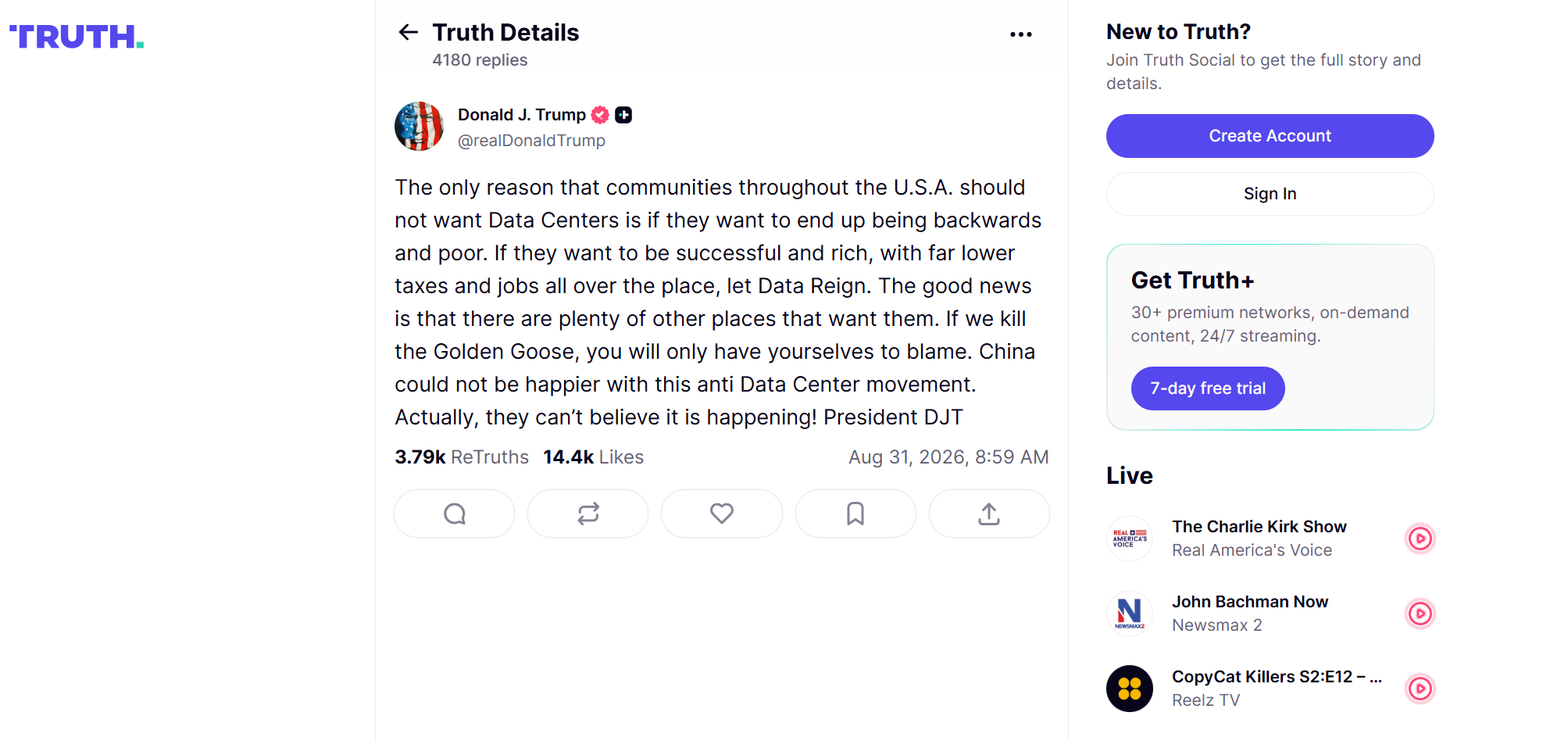
The President says to "let Data Reign" if communities "want to be successful and rich, with far lower taxes and jobs all over the place." Presumably, the President missed a comma after "taxes" and does not mean that data centers will lower the number of jobs available. The economic argument surrounding data centers is a tough issue to quantify, though it's not completely detached from reality.
A July study from Georgia Tech found that data center developments increase local employment by 3.5%, total wages by 5%, business establishments by 4.7%, and median household income by 1.9%. Further, the developments reduce unemployment rates. Critically, however, the study found that these benefits mainly show up in metropolitan areas, calling the benefits in rural areas "negligible." The study also highlights that data centers often employ fewer than 100 permanent workers, with specialized services "imported from outside the country."
The research also looked into trade-offs with electricity prices, finding that prices rise an average of 5% after a data center is built in a community.
In another analysis, Brookings found that, although new data center construction creates jobs, the number is somewhere between 100 and 200 permanent positions. Additionally, it found that areas with data centers see average home prices rising between 2% and 5% without any impact on wages.
Early attempts at studying the effects of data centers on local communities have, on one hand, substantiated the claims that data centers bring economic activity. On the other, they suggest that economic activity is smaller than expected, localized to the area in question, and comes with unintended side effects like higher electricity prices. There's also an environmental concern, one that is difficult to study in the midst of buildouts.
Instead of outright banning data centers, local governments and increasingly state governments have paused development to study the impact. In July, New York Governor Cathy Hochul signed a one-year moratorium on data center construction to study the economic and environmental impacts. In early August, Texas Governor Greg Abbott directed state agencies to cut data centers off from connecting to the Texas power grid until an audit of the facility's power and water usage is completed. Republican Governor Mike DeWine of Ohio has made similar directives.
At a national level, the Artificial Intelligence Data Center Moratorium Act, sponsored by Representative Alexandria Ocasio-Cortez, proposes a pause on data center construction and new AI products until the government can review both the environmental impacts of new data center construction, as well as the impacts on jobs for new AI products. The bill has been introduced, though it has yet to be debated in committee or voted on in the House.