微信内可能无法直接打开本站。请点右上角 ··· → 在浏览器打开,或复制链接。
Ask the Pro: Running Joy, Toenails, Plyometrics, and Night Runs
RSS 官方收录 · 可信分层展示
关键摘要
The post Ask the Pro: Running Joy, Toenails, Plyometrics, and Night Runs appeared first on iRunFar.…
- In this monthly article series, ultrarunner, race director, and coach …
- Learn more about this ask-the-athlete column, and be sure to fill out …
- In this article, Gabe answers questions about refinding joy in running…
摘要引擎:抽取
正文提要
The post Ask the Pro: Running Joy, Toenails, Plyometrics, and Night Runs appeared first on iRunFar.
In this monthly article series, ultrarunner, race director, and coach Gabe Joyes answers reader questions about anything and everything running. Learn more about this ask-the-athlete column, and be sure to fill out the form below to submit your questions for a future article!
In this article, Gabe answers questions about refinding joy in running, toenails, plyometrics, and running at night.
Gabe’s Tip of the Month
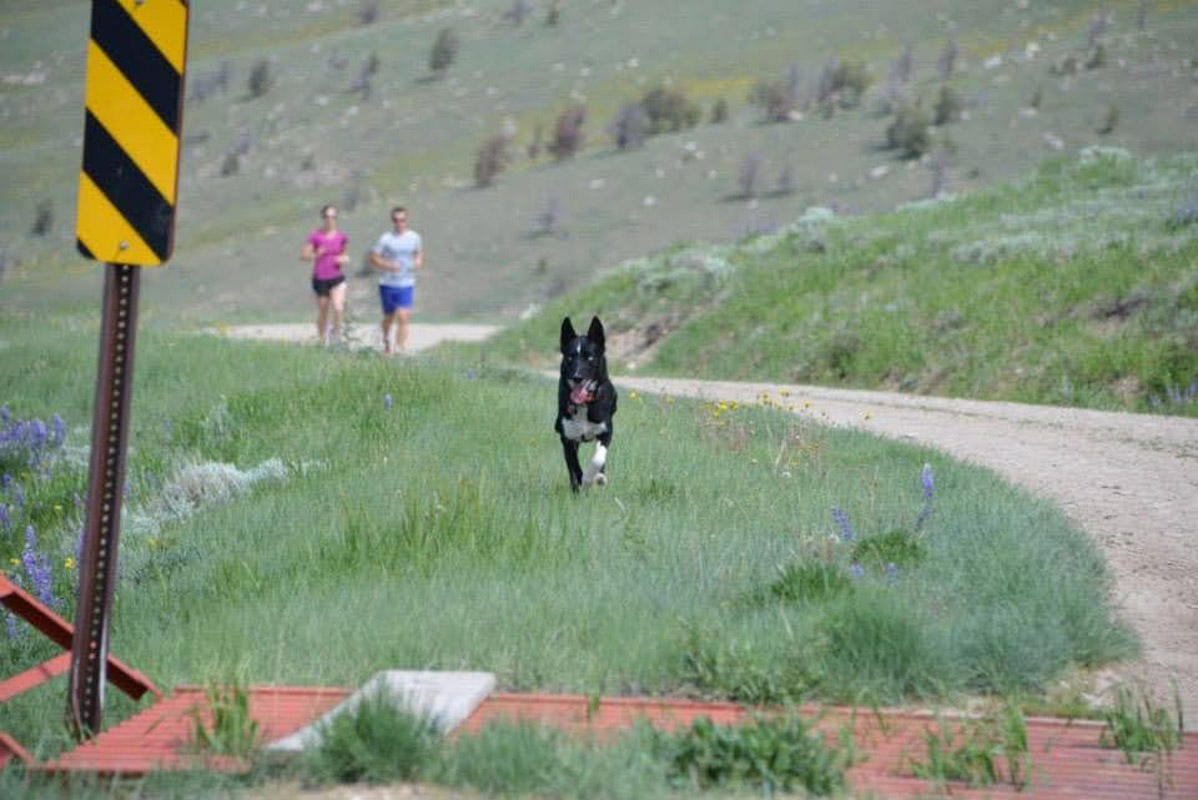
Have you ever watched a really fast and athletic dog run? I used to have a wonderful husky named Denali, who seemed to nearly float more than she actually ran. Her legs stretched out into long and powerful strides, and her paws would hardly reach the ground before they barely caressed the dirt and were already flinging backward, propelling her forward into the next stride. If I’m starting to feel a little waddly on a long run, or hear a whisper of iliotibial band pain in my knee, I try to channel my inner Denali and attempt to run with that unbelievably smooth, efficient, and light motion. My success in achieving this might vary wildly, but aiming for a stride with minimal impact and a full range of motion will definitely make for better running.
Finding Joy
Hey Gabe! A Brazilian here. I have been running for a long time, attended some races, and completed a marathon and an ultra. It is hard for me to say, but I’m struggling to find joy in running. At the beginning, I loved the idea of running freely, just to find how far I could go, but now I’m aware of it, it’s become, in certain ways, boring. Have you ever felt something similar? Any advice? -Fernando
I’m really glad you are exploring ways to bring the joy back into your running, Fernando! From my experience, most people find the joy of running slips away for one of two reasons:
- Not enough time away from running. The phrase “absence makes the heart grow fonder” does have some validity, and if you don’t give yourself a regular rest day for recovery or include other activities in your life, running just might not be as exciting as it used to be. Pushing on with more running to get that flame back usually isn’t the answer either, and aiming to just sign up for the right event that “motivates” you has limited returns as well. Longevity in running is all about balance, and too much of any one thing isn’t a good thing.
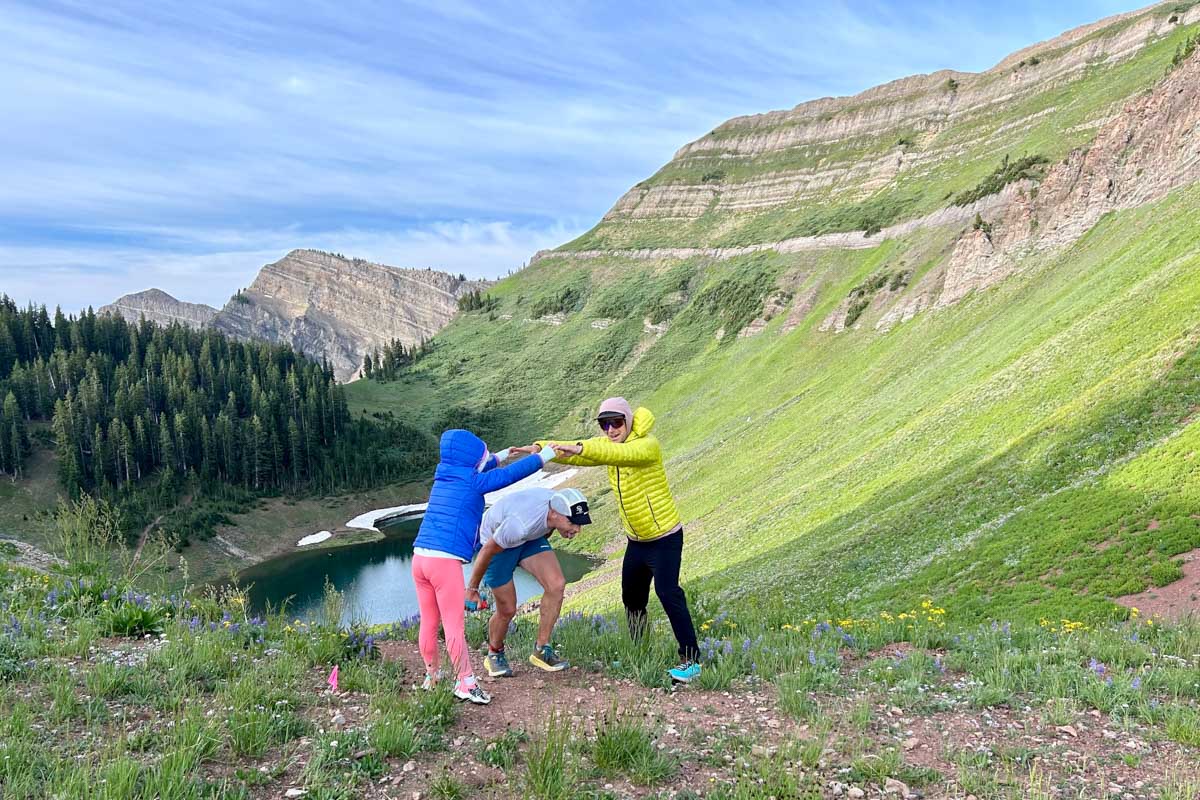
- Lack of diversity. The other way folks might feel the passion slip away is not having enough variety or diversity in their actual running. If you have ever run the same loop over and over at the same intensity day after day, you might know what I mean. The repetitive approach can work for some people, as the run can become almost meditative, but for many others, the run just becomes a bit stale. Adding in some new routes, going on new-to-you running surfaces, or changing up the pace by adding in some bursts of speed or slowing down a bit to notice all the micro views, can keep running more interesting and engaging.
Losing the joy of running is tragically sad, and for many of us, if we’re left to our own devices, we end up doing the same things over and over. You can have some intentionality in your running without being bound to a training plan that is overly rigid — even having a schedule that is something like this could be helpful:
- Monday: Complete rest/cross train/some other activity
- Tuesday: Favorite trail loop at moderate intensity
- Wednesday: Faster-paced run on roads or smooth paths
- Thursday: Group run
- Friday: Steep terrain that is mostly hiking
- Saturday: Long run in a variety of locations
- Sunday: Choose your own adventure/whatever you wanted more of from the past week
Protecting the Toes
All of my toenails are bruised from either kicking rocks or snagging my toes on roots during a recent trail 100-kilometer race. Should I wear steel-toe boots, or how do I avoid this the next time? This rarely happens on long trail training runs. -Eugene
Oooof, sorry Eugene, that sounds very painful! Having your toes jammed into steel-toe boots sounds even more miserable, though, so we’d better come up with at least a Plan C. It sounds to me like your shoe’s lockdown is either inadequate or your shoes are too small. If your shoes fit properly around the heel and midfoot, your entire foot shouldn’t slide forward, and your toes shouldn’t hit the front of the shoe. It can be so tricky to get shoes that fit right, and I encourage you to try on as many different models as possible at your local running store to find the right ones. But without a doubt, having an upper that fits your foot is more important to me than basically any other aspect of a running shoe! You can check out some of iRunFar’s favorite options in our Best Trail Running Shoes guide.
Feet can also swell a lot during ultramarathons, particularly after about 50 miles, so sometimes shoes that felt great on all of your 20-mile training runs suddenly become unwearable at the end of your race. If your shoes feel snug and fast like a track spike or soccer boot on the starting line, you can plan on your toes being absolutely crushed by the finish line. Having enough space for your toes not only in terms of shoe length, but also with the width and height of the toebox, is critically important. Your shoes might feel a little sloppy and uninspiring at the start, but you’ll be thrilled with that extra room as the miles add up.
Plyometrics with Purpose
What is the purpose, and what benefit is there to doing plyometrics? -Matthew
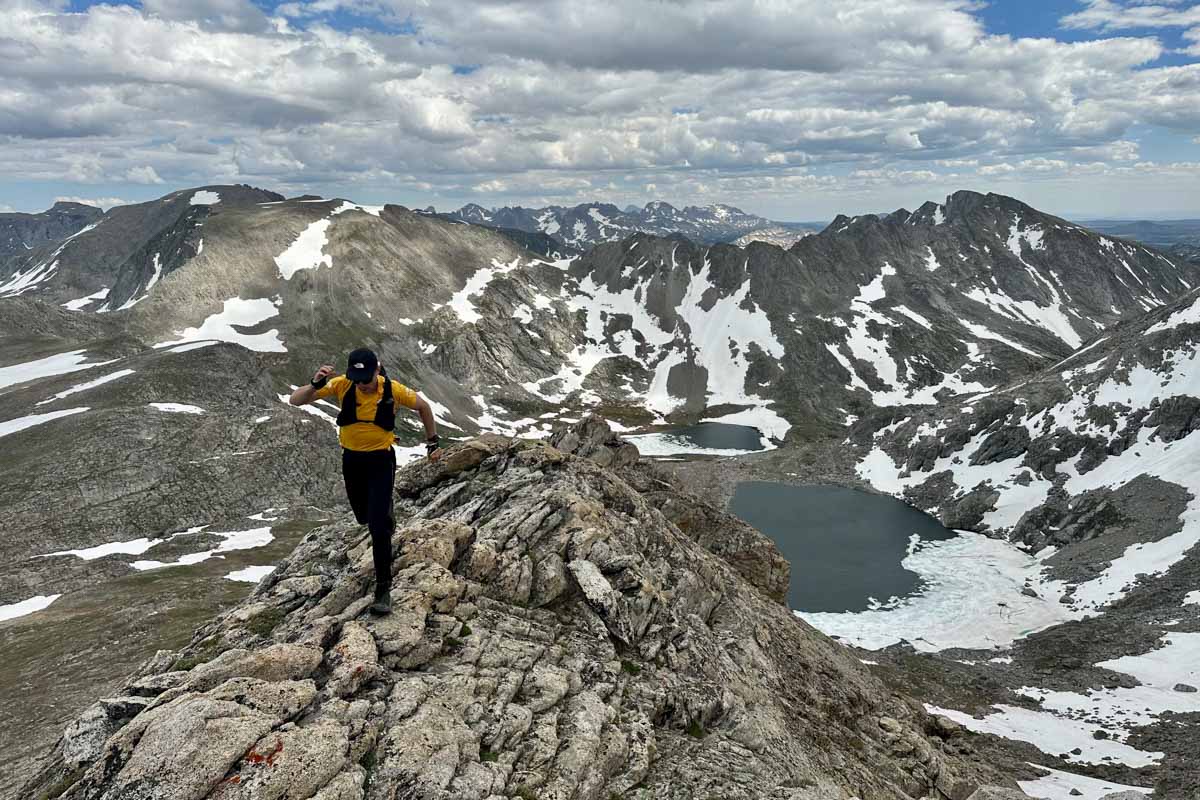
You are onto something here, Matthew! I wholeheartedly believe that plyometrics might be the most underrated and underutilized training intervention for trail runners. Running is a single-leg sport — we are literally hopping from one foot to the next. When we are running on trails, especially rocky, rooty technical trails, we are hopping in different directions and probably landing on uneven surfaces as well. This can be a huge strain on the lower leg, particularly if the muscles and connective tissue in your feet and ankles are not accustomed to that kind of stress.
Any sort of one-footed hopping drill that has you moving in different directions is going to help prepare you for mile after mile of movement on trails. Beyond that, if you engage the glutes, hips, and lower back while doing plyometrics, you can increase your all-around trail stability as well. Consider adding plyometrics to your weekly routine if you are a runner who spends weekdays running on roads but loves hitting the trails on weekends. Plyometrics are a great substitute for trail time — even doing five minutes of plyometrics twice a week will help you with balance and injury-resistance on the trails.
Simple plyometrics exercises are effective — no need to do some overly elaborate Instagram-inspired single-leg obstacle course. I’ll make a “+” on the ground with tape or chalk and use that to practice hopping in different directions. Sometimes I make a hopping obstacle course using the square tiles of my basement floor. Even more fun, I’ll have one of my daughters make a hopscotch course with sidewalk chalk and do “plyometrics” together.
Night Run Practice
Do you recommend doing all-night runs before a 100- or 200-mile race? -Stefanie
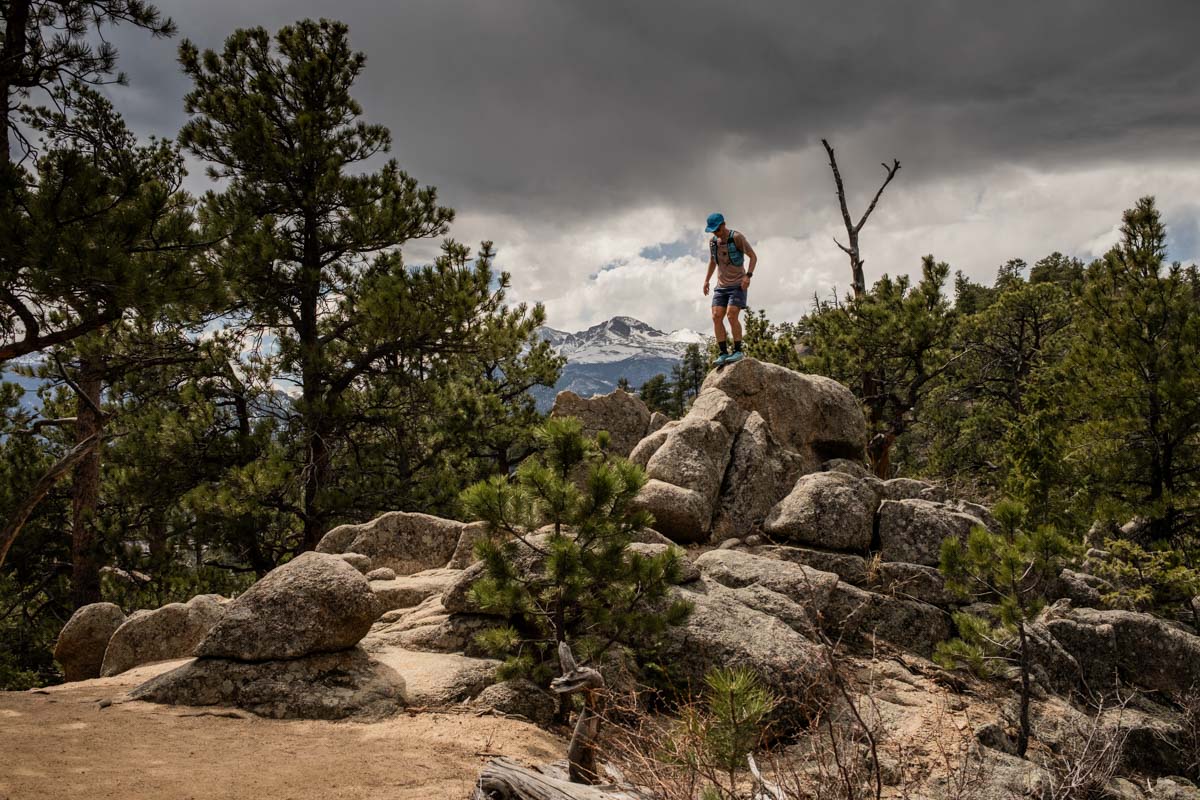
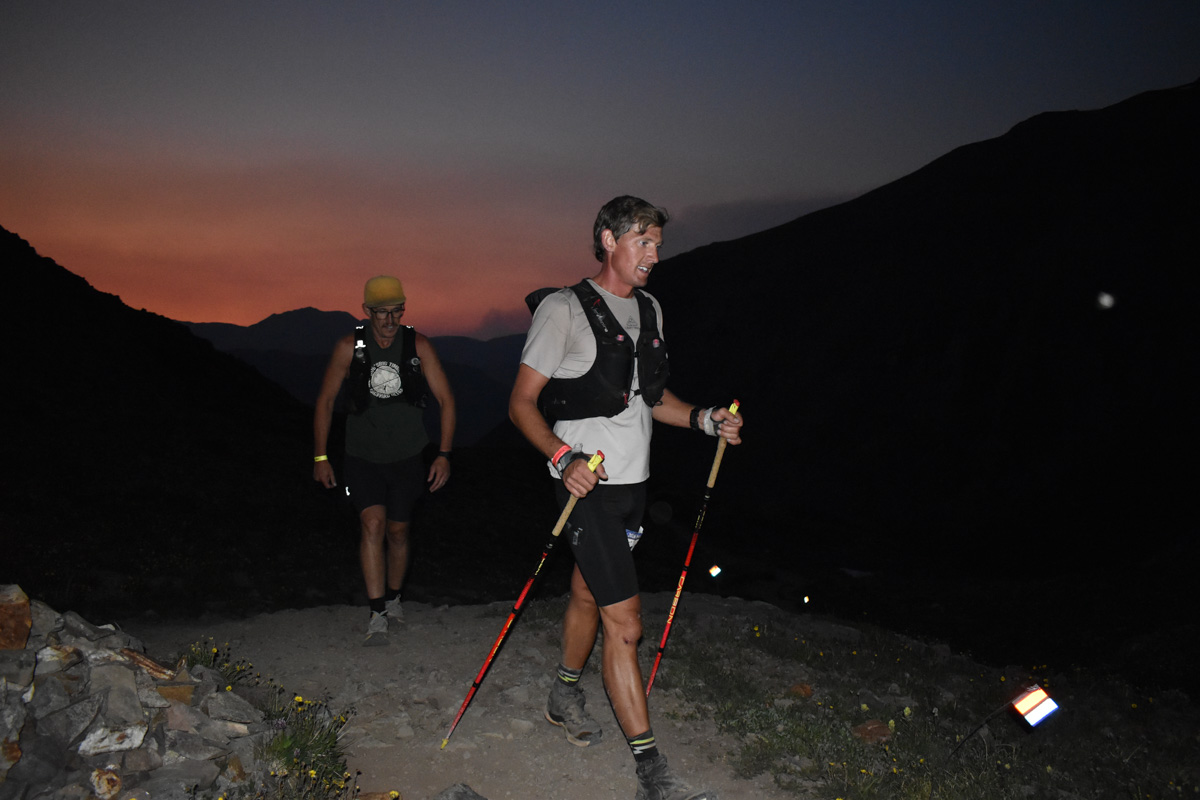
Practicing running in the dark with a headlamp could be a really bright idea for some folks, but it’s probably needless sleep deprivation for others. Night runs in preparation for an ultra are not about gaining fitness or adapting to sleep deprivation — the military has proven time and again that sleep deprivation is not trainable in the same way as fitness. Also, trying to improve fitness by running through the night is only moderately helpful, as everyone runs slower in the dark and will likely have a suppressed heart rate at night as well. So if you are trying to gain fitness, I’d say don’t bother with the middle-of-the-night jam session. Anything you gain from a fitness perspective will likely be offset by the sleep you lost!
But, if you would like to gain confidence and comfort with utilizing your headlamp(s), managing your required nighttime kit, or feeling more at ease with the mental aspects of trail running at night, then a dark run might be an illuminating experience for you. To get the most out of the run, my recommendation is to start your run around or before sunset so you can feel the transition from evening light to the magic of nighttime. Get a sense of when to strap on your headlamp and how to do it efficiently. Some runners like to see how long they can wait before getting a headlamp out and letting their eyes adapt to the dark — I strongly do not recommend this, as I’ve seen people trip, sprain their ankles, and have nasty falls while doing so. Just turn that light on bright and let your brain and eyes be as wide awake as possible! There is no need to practice running all night long, either. Just run long enough in the dark to settle in and get comfortable with the late-night flow, and then get home and get to bed!
Submit Your Questions
Send us your questions! Use the form below or send us a message on Instagram, and we’ll consider your questions for future articles.
Call for Comments
- What are your thoughts on Gabe’s answers this month?
- What pressing running questions have you always wanted answers to?
Ask the Pro: Running Joy, Toenails, Plyometrics, and Night Runs by Gabe Joyes.